
Chest Wall
Bracing
Custom chest wall bracing is the primary non-surgical treatment for pectus carinatum and rib flare. The Pectus Clinic has run a dedicated bracing programme for over a decade, with peer-reviewed published outcomes and a bespoke preparatory technique developed at the clinic. In well-selected patients, the results are excellent, and many avoid the need for surgery.
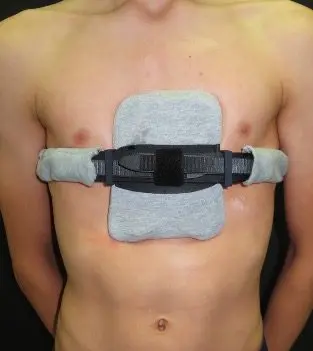
What is chest wall bracing?
Chest wall bracing applies controlled, sustained anterior pressure to a protruding sternum, gradually reshaping the underlying costal cartilages over months of wear. It exploits the natural plasticity of cartilage during the adolescent growth phase.
Bracing for pectus carinatum is well-established internationally — the American Paediatric Surgical Association (APSA) recommended it as first-line therapy for compliant pectus carinatum as early as 2012, based on a formal scientific review of the literature. Despite this, access to quality bracing expertise in the UK has remained patchy. The Pectus Clinic has run a dedicated bracing programme for over a decade, with outcomes published in peer-reviewed journals — one of the most established specialist bracing series in the UK.
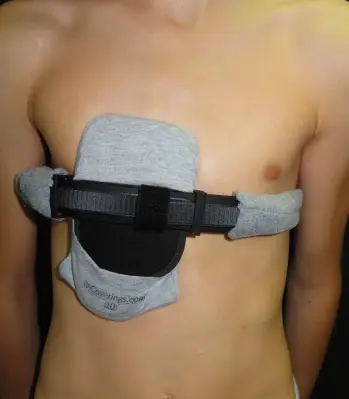
The brace is custom-manufactured using a precision 3D scan of the chest, produced by Crispin Orthotics using the latest high-grade polymer and 3D printing technology. It is fitted anteriorly with posterior stabilising straps and adjusted at regular review appointments as correction progresses. As the deformity reduces, the brace is gradually weaned rather than stopped abruptly.
At a glance
 Official brace manufacturer
The bracing pathway at a glance
How bracing works
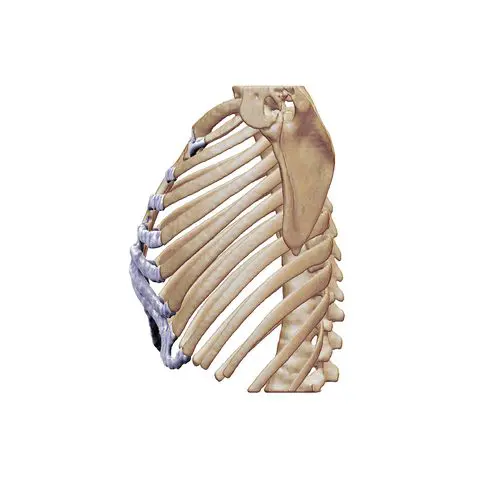
The costal cartilages in adolescents are significantly more flexible than in adults. Bracing exploits this biological window — sustained compressive force gradually remodels cartilage and restores normal chest contour permanently.
Compliance determines outcomes
Published outcome data consistently shows that correction rates are directly related to compliance — how consistently the brace is worn as instructed. For the intensive programme, the brace is worn virtually all the time for the first eight weeks, with only short breaks for bathing and contact sport. After this, wear time is progressively reduced.
The brace is generally well tolerated once patients adapt — typically within the first two to three weeks. Initial discomfort at pressure points is managed with padding adjustments. Most adolescents wear the brace under clothing without significant social impact.
Patients receive a detailed written wearing schedule at the time of fitting, along with post-brace instructions and personalised advice around skin care, sport, and sleep. Physiotherapy and postural exercises are used alongside bracing throughout treatment.
The manipulation procedure
- Performed as an outpatient — no anaesthetic required
- Local anaesthetic cream applied beforehand to reduce discomfort
- Chest warmed prior to mobilisation
- Soft tissue release of the chondrosternal joints — 15–20 minutes
- Chest partially corrected before brace is fitted and locked in position
- Published data shows improved compliance and reduced brace wear duration
The manipulation technique
Before the brace is fitted, Mr Hunt performs a bespoke soft tissue manipulation of the deformity — a technique developed and practised at the Pectus Clinic. The procedure is performed personally by Mr Hunt at every consultation; it is consultant-led and consultant-delivered.
Using targeted manual pressure at the costo-sternal joints, the costal cartilages are partially corrected before the brace is placed. Patients describe it as a deep, focused pressure — uncomfortable in places but not painful, and requiring no sedation. It takes around 15–20 minutes. Published data confirm it improves compliance and reduces overall treatment duration.
Custom 3D-printed chest wall brace
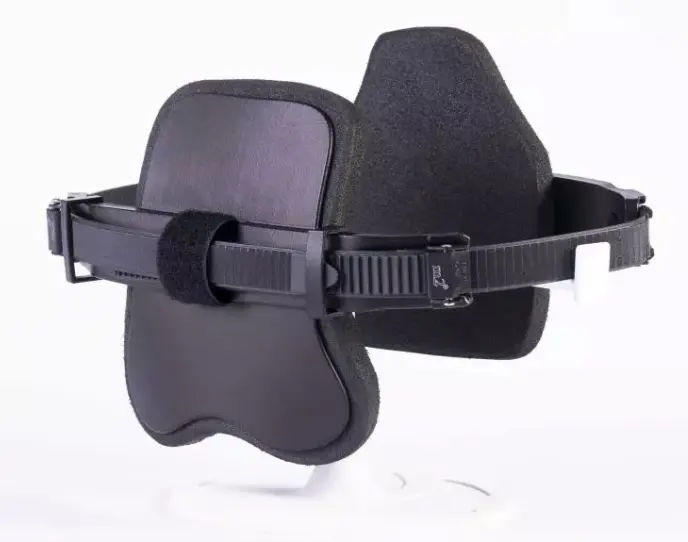
Every brace is individually manufactured from a precise 3D scan of the patient's chest by Crispin Orthotics. Lightweight, low-profile, and designed to be worn throughout the day, the design has been refined over years of clinical use.
The brace is constructed from a high-grade nylon-based polymer with medical foam padding. The anterior chest plate applies direct pressure to the sternal protrusion, with position and tightness tailored to the individual deformity. A graduated tightening mechanism allows incremental adjustment at review appointments, and the brace is supplied with a set of washable covers.
Brace specifications
Official brace manufacturer
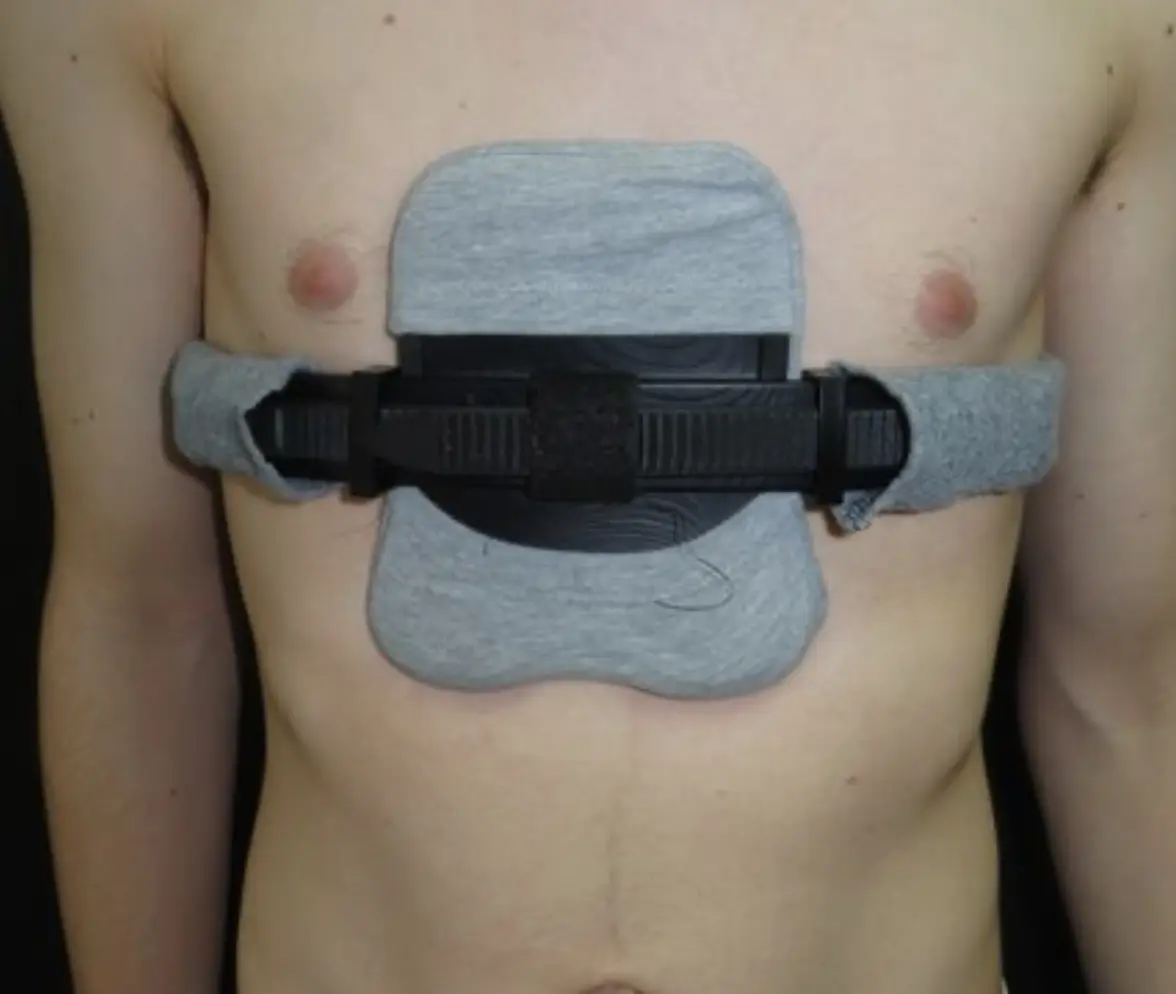
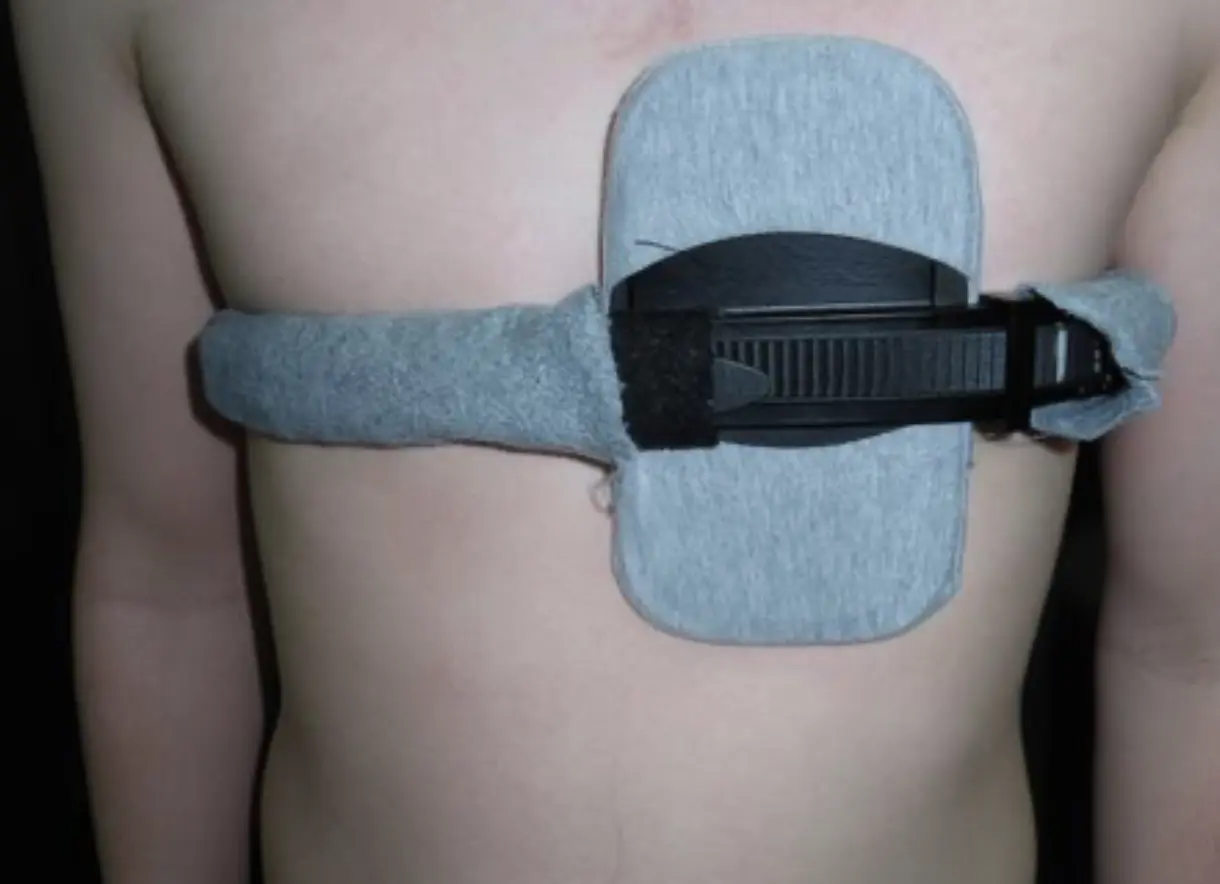
Symmetric and asymmetric braces
The brace design is determined by the shape of the deformity at assessment. Most pectus carinatum deformities are central and symmetric — but a significant proportion are asymmetric, with the protrusion displaced to one side.
Symmetric brace
Plate centred over the sternal midline, applying balanced bilateral pressure. Used for the majority of cases.
Asymmetric brace
Plate offset to the dominant side, with a shaped posterior pad to account for the lateral displacement. Plate position and shape are determined at the fitting appointment.
Who is bracing suitable for?
Three factors are central to suitability: age, musculoskeletal maturity (which determines cartilage flexibility), and the type of deformity. A thorough clinical assessment is essential before treatment is recommended.
Well suited to bracing
- Adolescents in active growth — ideally during or just before the pubertal growth spurt
- Symmetrical or asymmetrical pectus carinatum — bespoke brace
- Cartilage that is flexible on clinical testing (compressibility sign positive)
- Patients able and willing to wear the brace as instructed
- Moderate to severe deformity with sufficient prominence to allow brace engagement
- Rib flare — selected cases where structural assessment supports bracing as the primary approach
- Age range 8–30 with flexible chest wall confirmed at assessment
Less suitable for bracing alone
- Skeletally mature patients — cartilage significantly less responsive
- Superior (high) pectus carinatum — more difficult to brace effectively
- Significant sternal rotation or complex asymmetry requiring surgical planning
- Rigid cartilage on clinical testing — poor correction expected
- Previous bracing with confirmed skeletal maturity and inadequate result
- Patients who are unable to achieve adequate compliance with the wearing schedule
The bracing programme
There are two main schedule types — intensive and progressive — each tailored to the patient's age, chest wall flexibility, and deformity severity. Based on extensive clinical experience, Mr Hunt adjusts the programme individually: the schedule is not fixed, and is modified throughout treatment according to the patient's response, compliance, and progress at each review.
Intensive programme
Designed for younger patients with flexible chest walls — typically aged 14–16. Total programme approximately 9–12 months, with individual adjustment throughout.
Progressive programme
For patients who need a lower-intensity approach. Total programme typically 12–18 months. Brace tightening is gradual — patients are shown how to adjust at home.
Wearing phase
Near-continuous wear to begin correction and achieve initial remodelling. Weeks 1–11 for the intensive programme. Up to 6 months for the progressive schedule.
Weaning phase
Brace worn progressively less each day as correction consolidates. Typical reduction of 2 hours per day every 2 weeks, from week 12 to around week 26–34.
Maintenance phase
Brace worn like a retainer — every other day for 8 hours — until correction is confirmed stable without support. Variable duration depending on age, growth, and response.
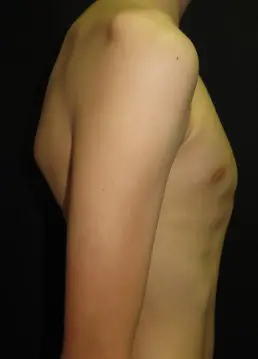
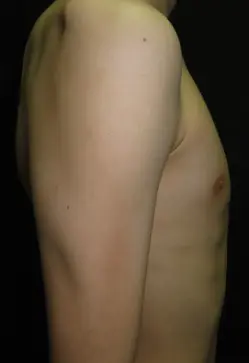
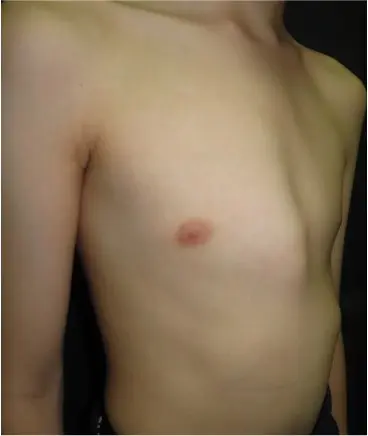
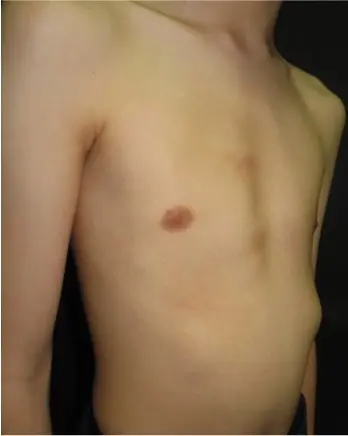
Results of the bracing programme
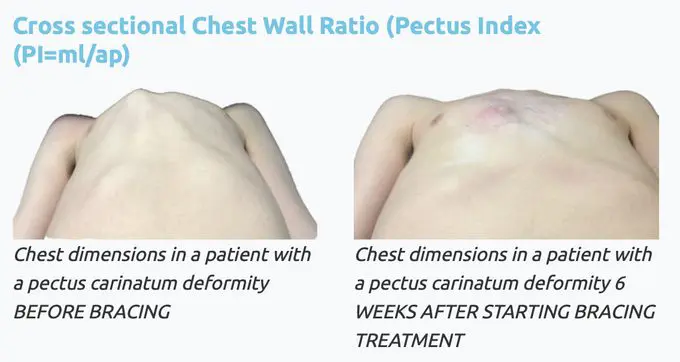
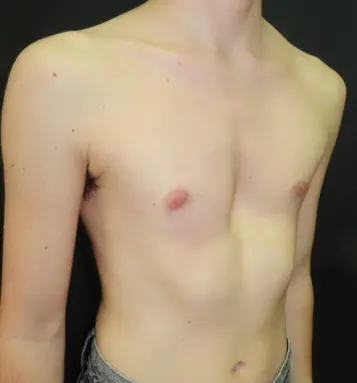
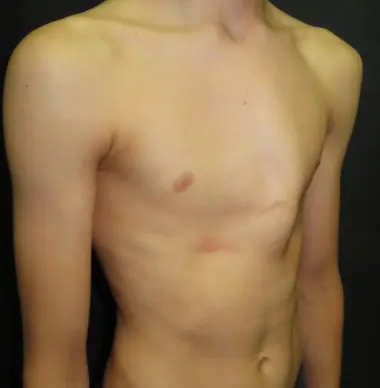
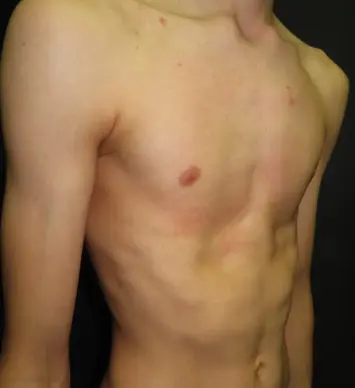
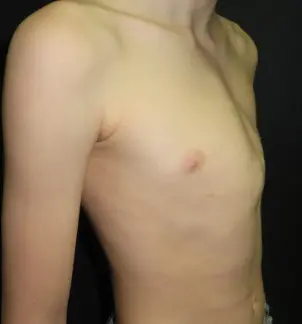
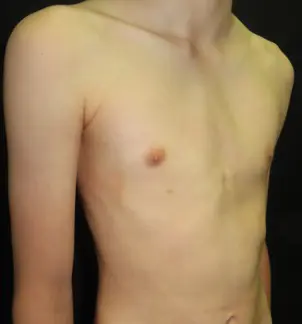
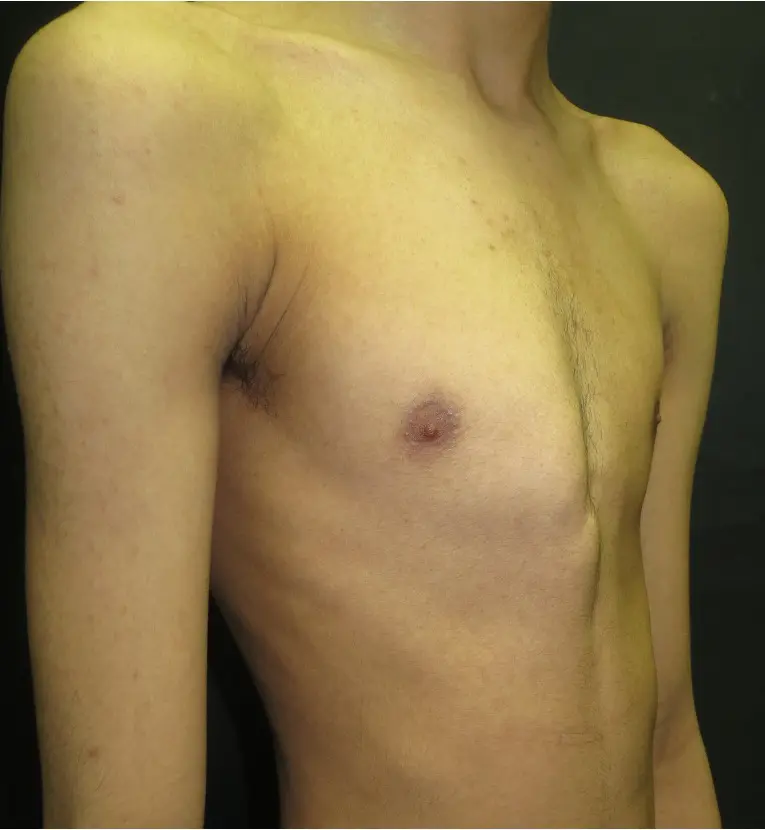
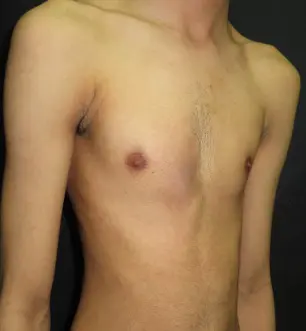
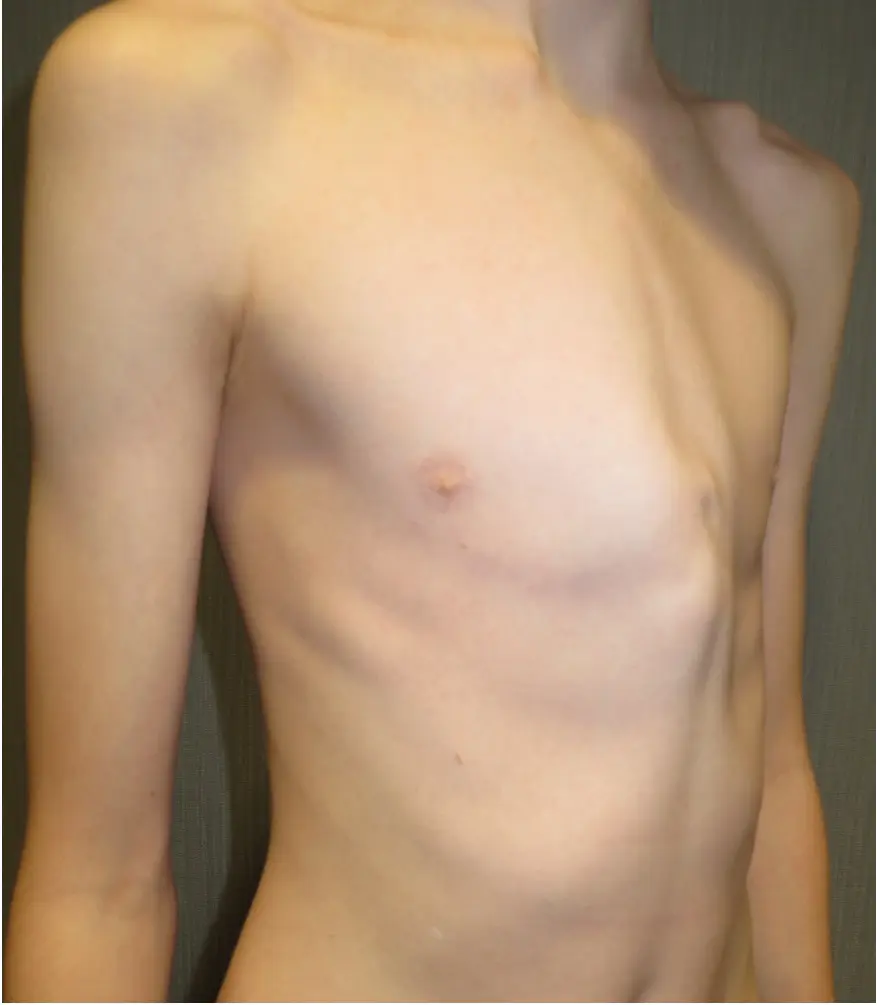
Published series from the Pectus Clinic and international centres consistently demonstrate high correction rates in appropriately selected patients. The evidence base for bracing in adolescent pectus carinatum is well-established.
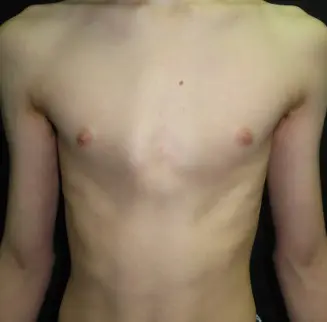
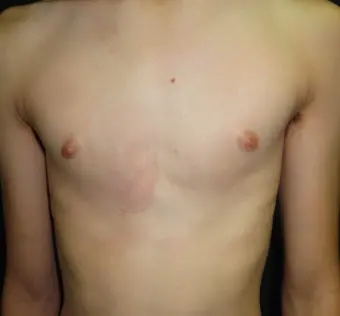
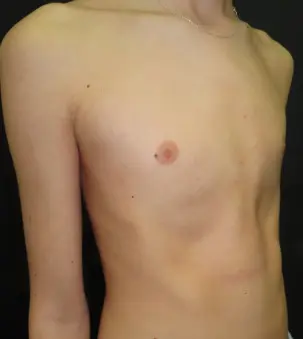
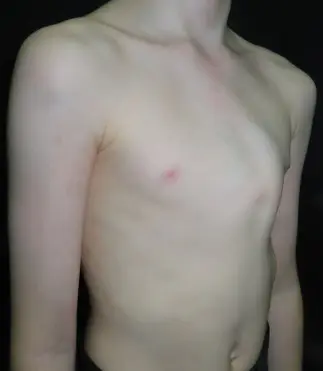
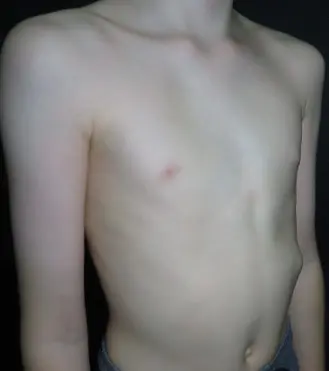
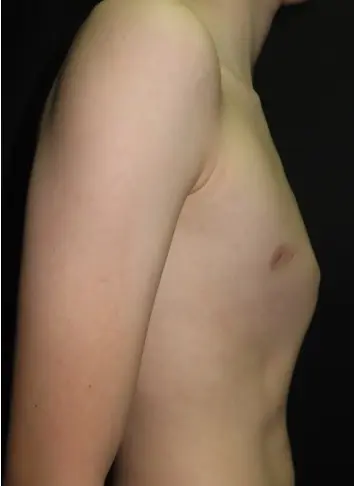
Before & after
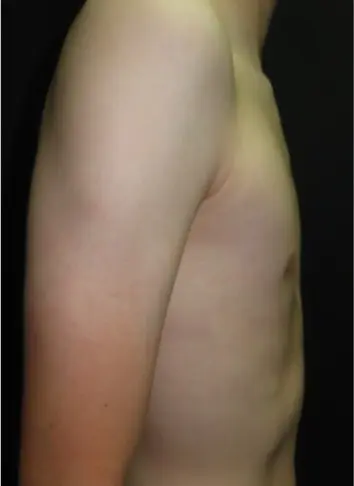
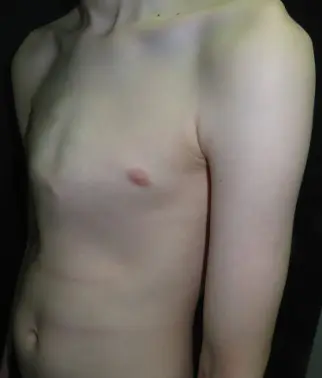
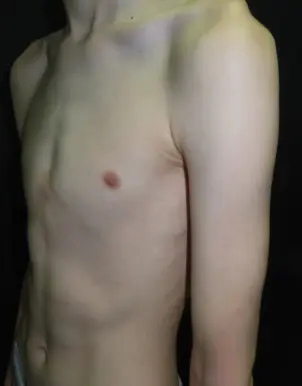
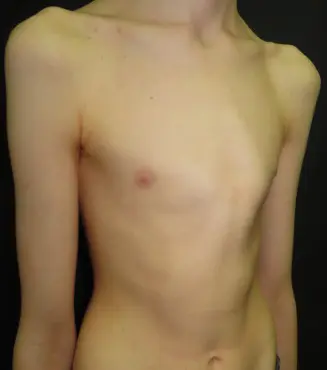
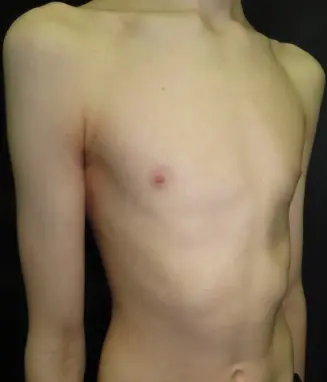
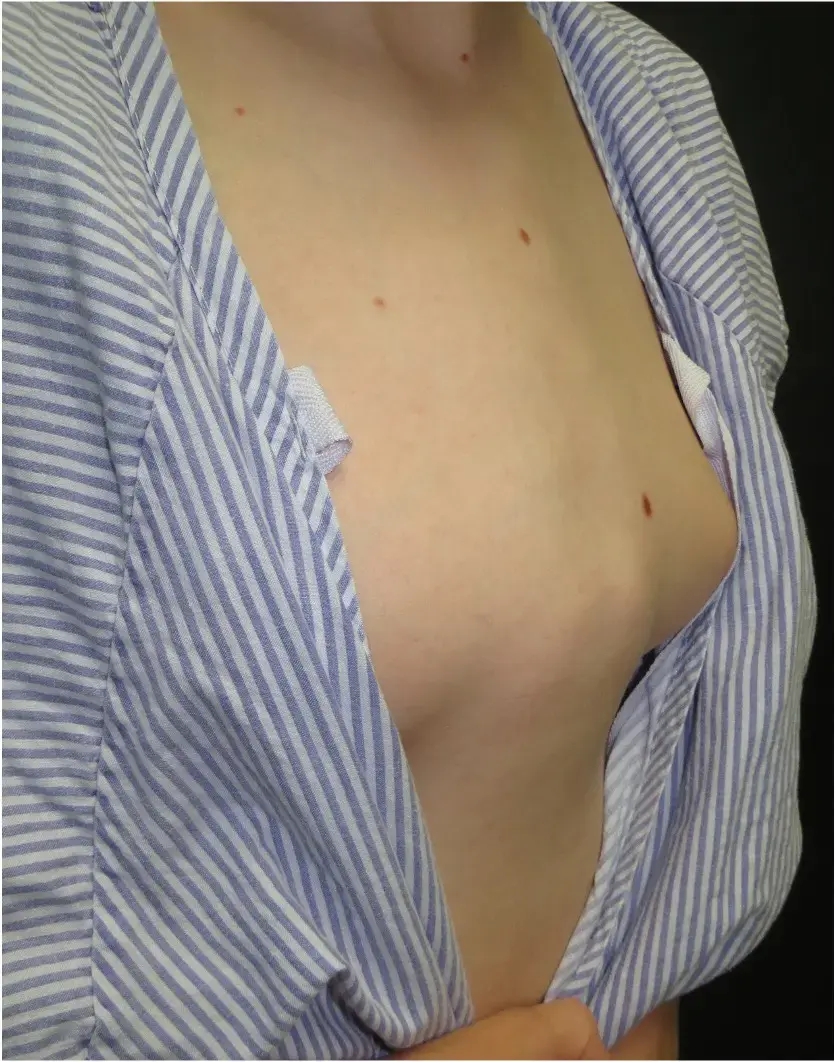
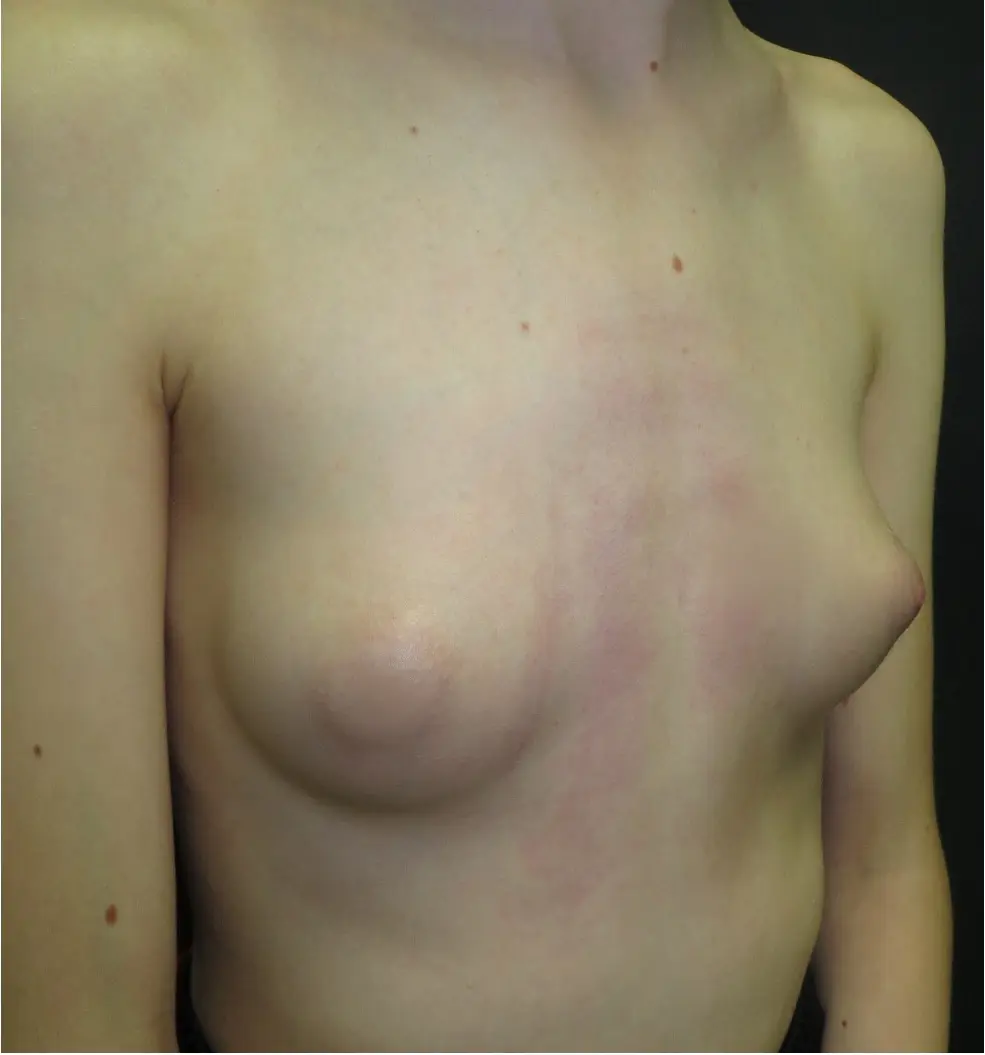
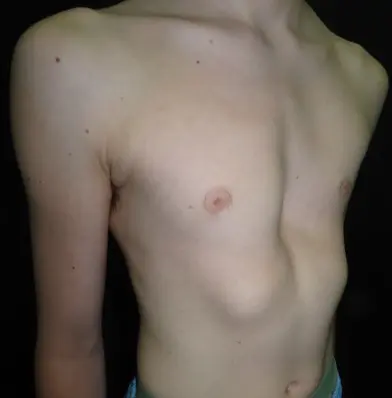
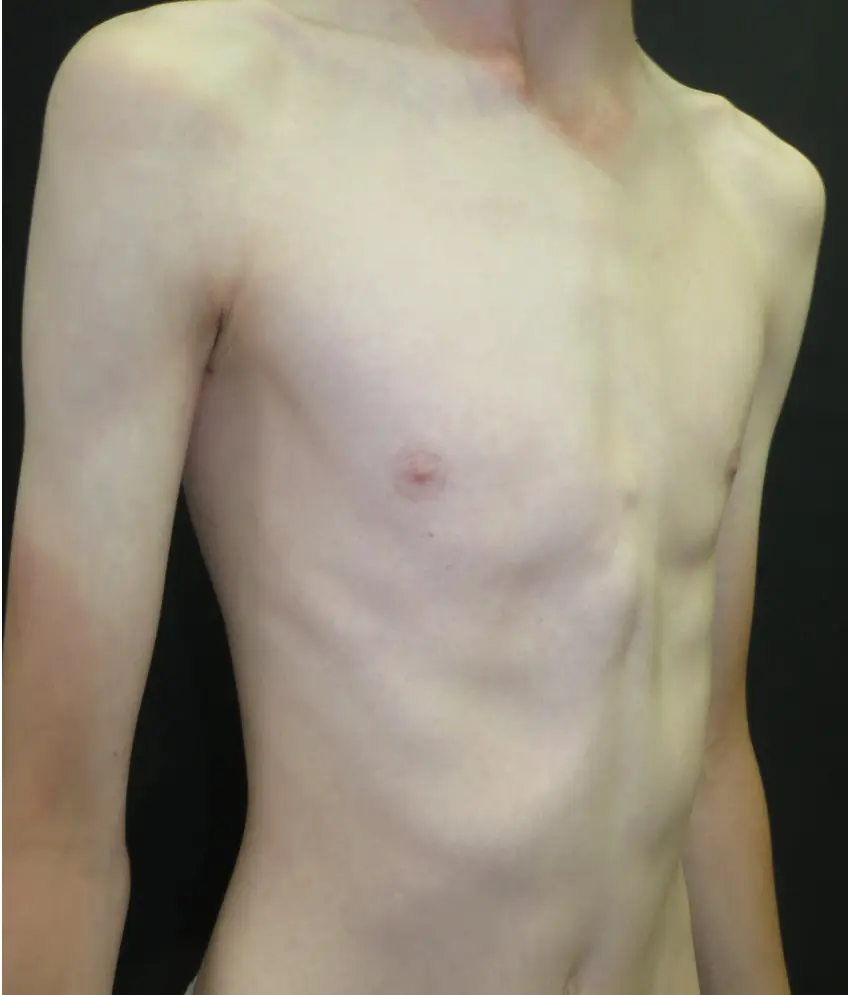
Clinical photographs from the Pectus Clinic practice. All patients have given consent for use in educational and clinical illustration. Results reflect individual cases — outcomes vary and are discussed in detail at consultation.
 Before
 After
After
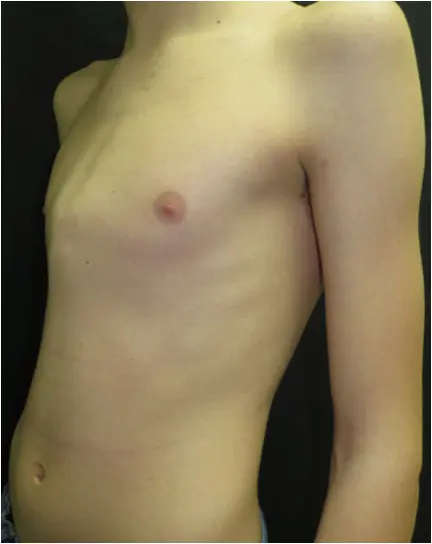 Before
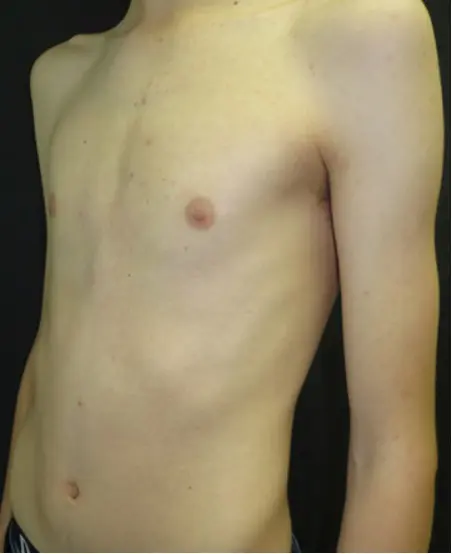 After
After
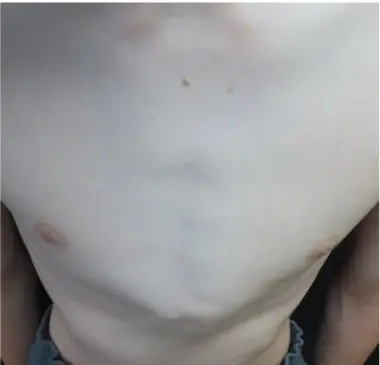 Before
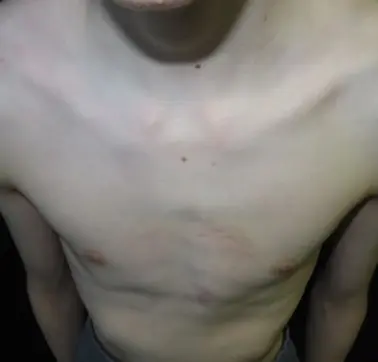 After
After
 Before
 After
After
 Before
 After
After
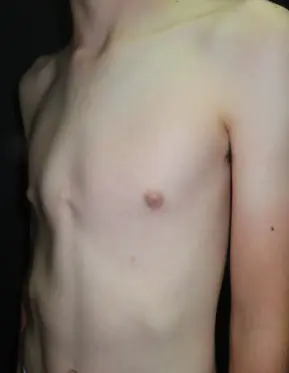 Before
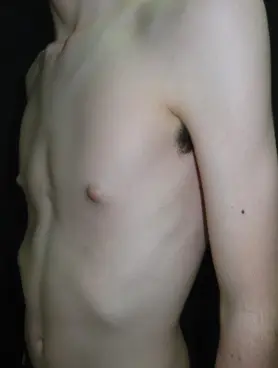 After
After
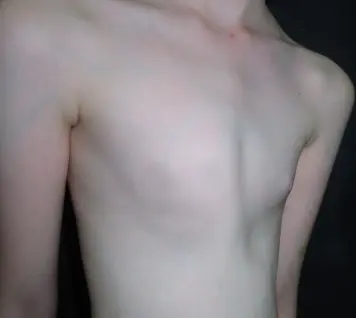 Before
 After
After
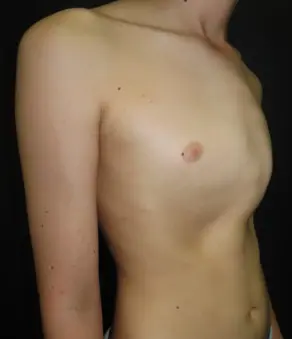 Before
 After
After
 Before
 After
After
 Before
 After
After
 Before
 After
After
 Before
 After
After
 Before
 After
After
 Before
 After
After
 Before
 After
After
 Before
 After
After
 Before
 After
After
 Before
 After
After
Non-surgical treatment for rib flare
Rib flare is managed non-surgically in most patients. Treatment is tailored to severity — starting with targeted exercise for mild cases, progressing to a custom rib strap for mild to moderate flare, and a dedicated rib flare brace where the deformity is more pronounced or resistant to strap treatment alone.
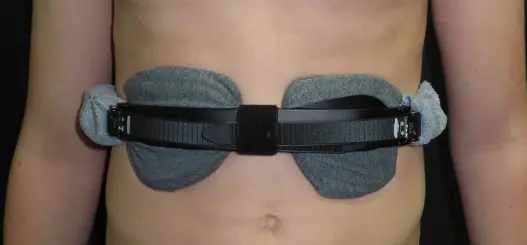
The rib flare brace applies bilateral lateral compression to the lower costal margin using padded side plates and an adjustable graduated bar. For less severe cases, a soft custom rib strap is considerably more comfortable and more consistently worn for the sustained daily wear that achieves correction.
Targeted exercise
A structured daily breathing and core programme. Effective as first-line treatment and an essential component of all rib flare programmes.
Rib strap
Custom soft strap (Design Veronique®) worn 8–12 hours daily. First-choice device for most patients; compatible with chest wall bracing and VBT.
Rib flare brace
Custom semi-rigid brace with bilateral lateral pads. For more prominent or rigid flare where strap treatment alone is insufficient.
Targeted exercise programme
Rib flare is associated with poor intra-abdominal pressure control and a reduced ability to downwardly rotate and posteriorly tilt the lower ribs. Breathing pattern retraining and lower rib control exercises are central to the treatment approach, alongside core and oblique strengthening which supports the rib cage from the inside. The programme follows an alternating two-day cycle of approximately 30 minutes, covering breathing control, postural correction, thoracic mobility and progressive strengthening.
Day 1 — Rib control, thoracic mobility & posture
- Deep breathing & rib control 5 min
- Postural correction — chin retraction, scapular setting 5 min
- Supine chest stretch & open book rotation 10 min
- Dead bug, plank & side plank 10 min
Day 2 — Chest opening, upper back & strengthening
- Deep breathing & rib control 5 min
- Postural correction — chin retraction, scapular setting 5 min
- Doorway chest stretch 10 min
- Bent-over rows & incline press-up 10 min
A detailed illustrated exercise guide is available on the Posture & Physiotherapy page.
Custom rib flare strap
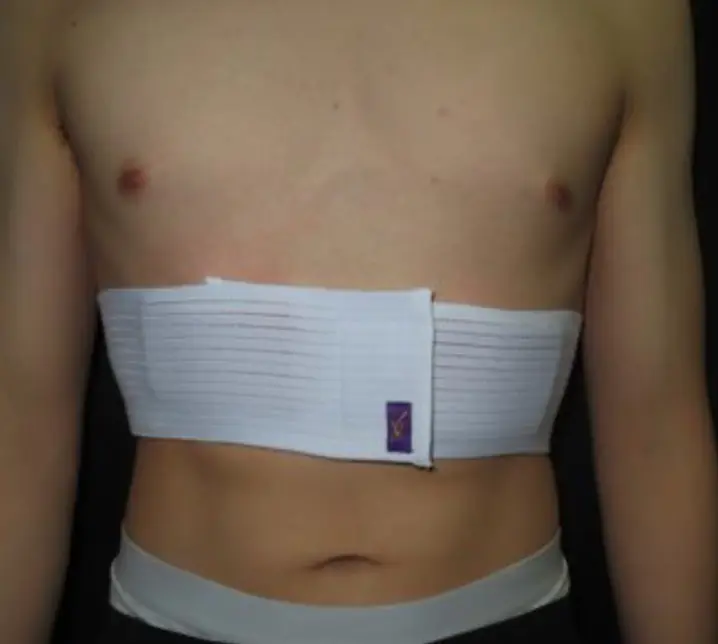
The Pectus Clinic has developed a custom rib flare strap in collaboration with Design Veronique® — a specialist compressive garment manufacturer. The 3.5-inch latex-free strap is designed for extended daily wear and is considerably more comfortable than a semi-rigid brace, making consistent compliance far more achievable. Orthotic-grade foam inserts are positioned over the most prominent rib margin to deliver targeted compression; the strap is reversed on alternate days to address both sides.
| Manufacturer | Design Veronique® (USA) — specialist compressive garment |
| Width | 3.5 inches (≈ 9 cm) |
| Material | Latex-free, formaldehyde-free breathable compression fabric |
| Inserts | Orthotic-grade foam, positioned over most prominent margin |
| Wear time | 8–12 hours per day |
| Programme length | Typically 12 months, combined with exercises |
In patients undergoing pectus carinatum bracing, the rib strap is worn alongside the Crispin brace to counteract costal margin elevation caused by anterior sternal compression. For pectus excavatum patients using Vacuum Bell Therapy, the strap is worn during periods when the vacuum bell is not in use.
Rib flare brace
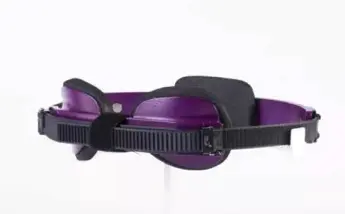
For patients with more pronounced or rigid rib flare — or where strap treatment alone has not achieved sufficient correction — a custom semi-rigid rib flare brace is recommended. The Crispin-manufactured brace applies bilateral lateral compression to the lower costal margin using padded side plates connected by an adjustable graduated bar, operating on the same principle as the pectus carinatum brace but directed laterally rather than anteriorly. It is worn 8–12 hours per day, primarily overnight. Once satisfactory correction has been achieved, many patients transition to strap-only maintenance wear.
Suitability is assessed at consultation. The brace is most effective in younger patients with flexible costal cartilage. In adults with calcified cartilage, corrective potential is more limited and surgical options can be discussed.
Wearing the brace — practical tips
These tips apply to both the chest brace (pectus carinatum) and the rib flare brace. Where guidance differs between the two, this is noted. Patients receive written post-brace instructions at fitting.
Positioning
Chest brace: the front plate sits centrally over the protrusion. For asymmetric deformity, it may be offset. Rib flare brace: lateral pads sit over the most prominent part of the costal margin. Take a photo at fitting — front and back — as a reference for daily repositioning.
Tightness & adjusting
Silver marks on the straps show your prescribed tightness. The chest brace is usually tighter at night. Over time both braces loosen as correction progresses — tighten gradually as guided. Avoid overtightening, particularly with the chest brace.
Skin care Chest brace
Pat skin dry before replacing — never rub. Apply E45 cream daily to the chest and back contact points. Sudocrem helps irritated skin. Any blistering or skin breakdown: email a photo to the Pectus Clinic promptly. Skin issues are uncommon with rib flare braces due to lower contact pressure.
Sleeping
Both braces are worn overnight. The chest brace should be tightened one or two notches at bedtime and loosened in the morning. The rib flare brace is simply repositioned and secured. A memory foam mattress topper helps with comfort in the first few weeks.
Sport & exercise
Both braces can be removed for sporting activities — this is built into the wearing schedule. The brace does not need to be worn during exercise. For the rib flare core exercise programme, the rib strap can be worn or removed depending on comfort. Resume wearing as soon as possible after activity.
Overcorrection Chest brace only
If the chest brace feels increasingly loose, the chest is correcting — a good sign. If correction is too rapid, the sternum may dip in (overcorrect). Loosen the brace or start daily removal earlier if concerned. Email a photo to the Pectus Clinic. Overcorrection is not a recognised risk with the rib flare brace.
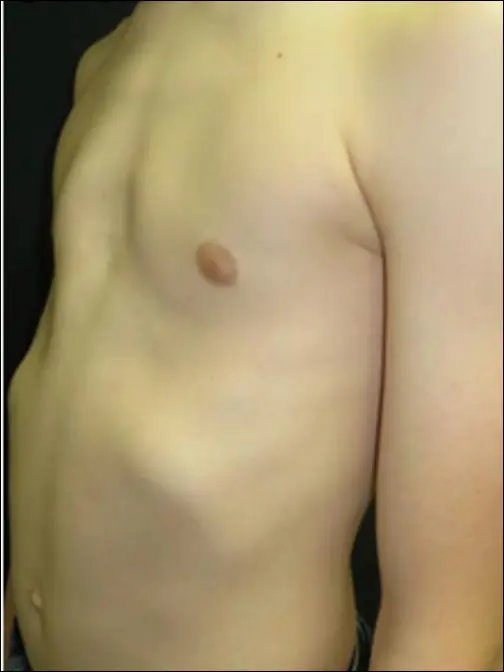
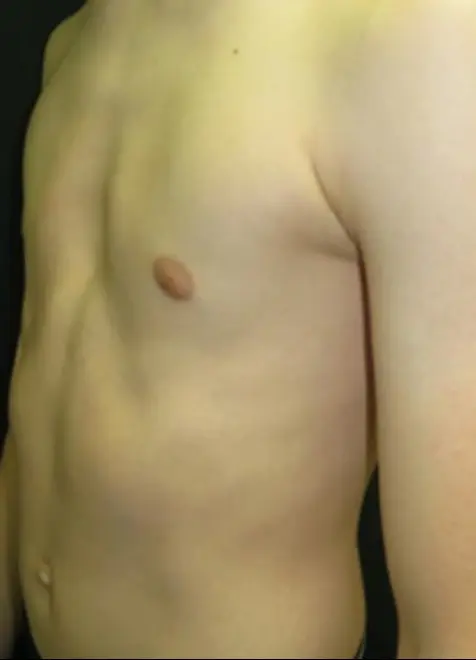
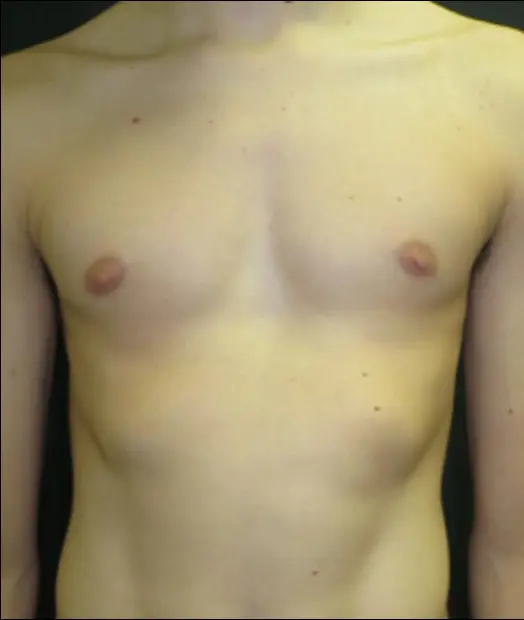
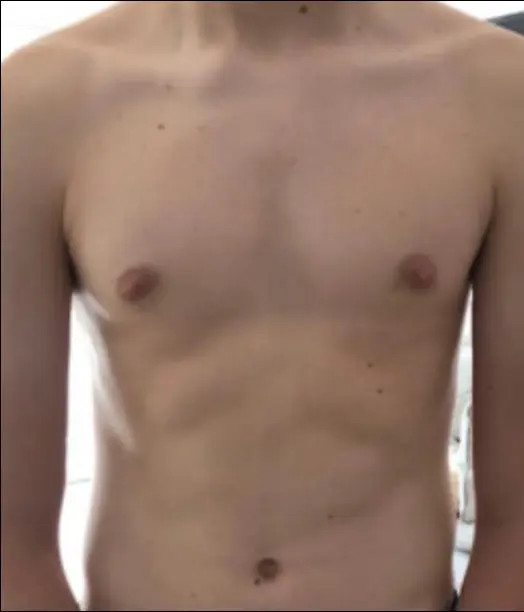
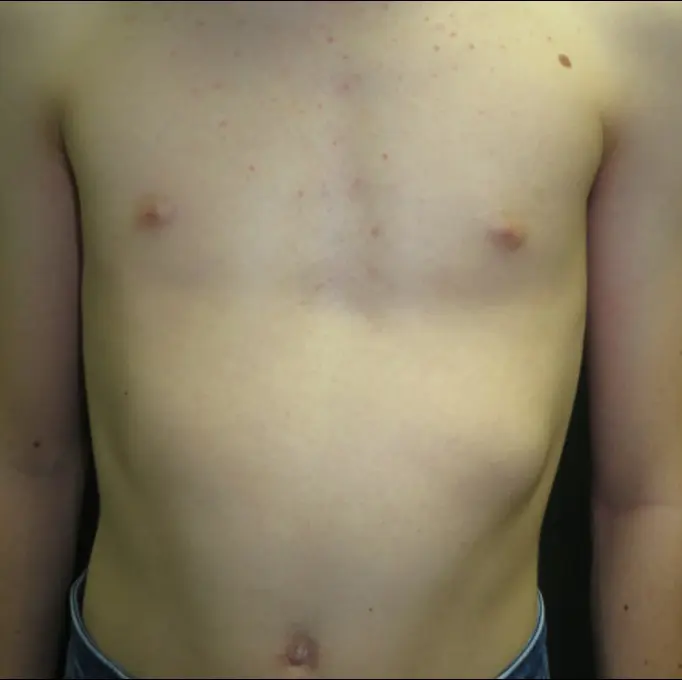
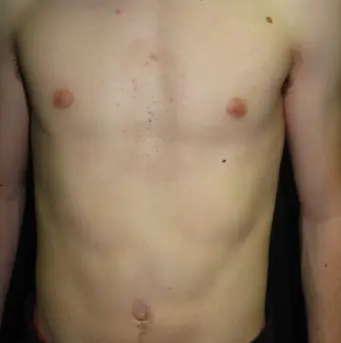
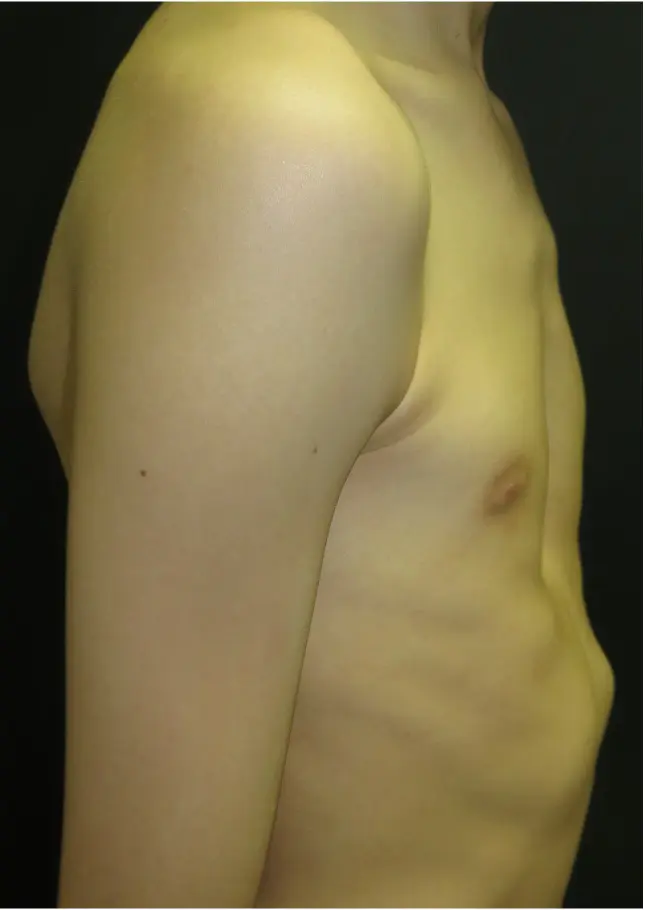
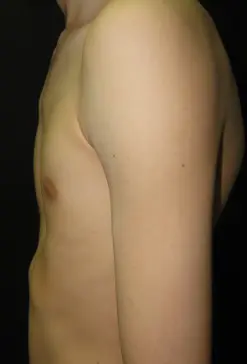
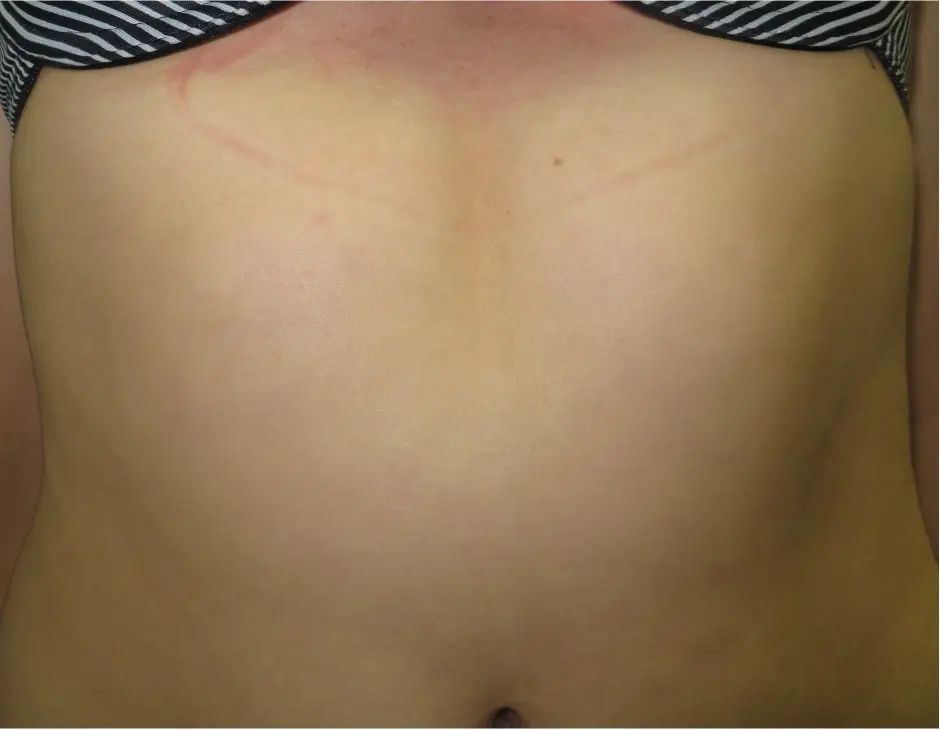
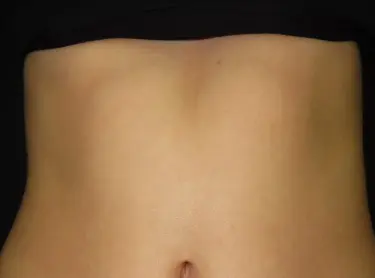
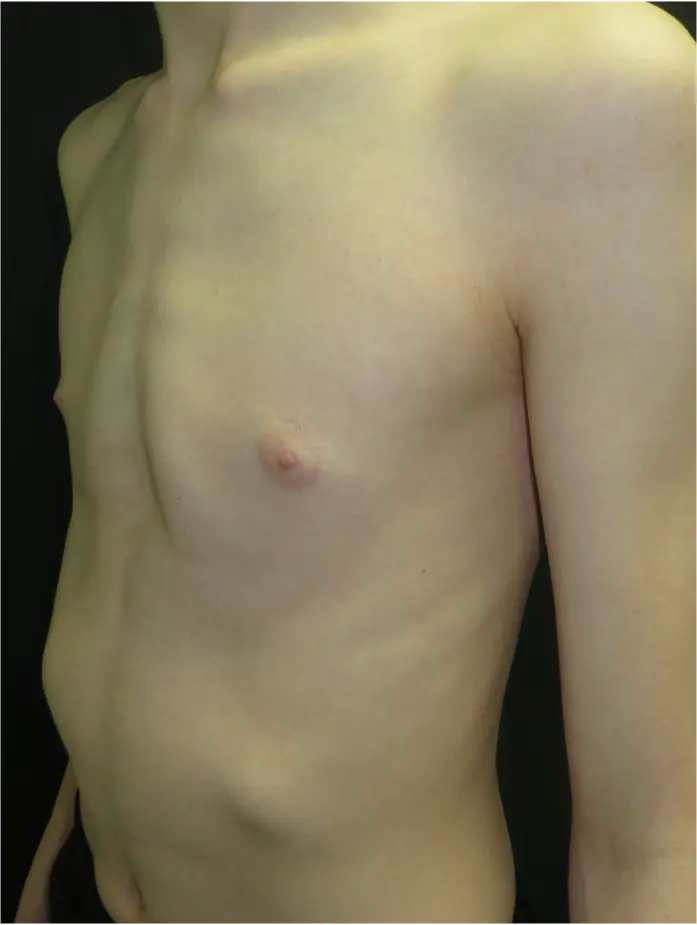
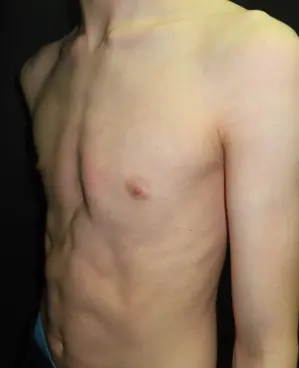
Before & after
Clinical photographs from the Pectus Clinic practice. All patients have given consent for use in educational and clinical illustration. Results reflect individual cases — outcomes vary and are discussed in detail at consultation.
 Before
 After
After
 Before
 After
After
 Before
 After
After
 Before
 After
After
 Before
 After
After
 Before
 After
After
NHS access to specialist pectus bracing is very limited. In England and Wales, provision is a postcode lottery — individual NHS Trusts make their own funding decisions, and many do not fund the chest brace. Where bracing is discussed in an NHS setting, it is typically limited to standard compression garments rather than the custom 3D-printed brace used at the Pectus Clinic. Pectus Matters maintains up-to-date guidance on accessing NHS treatment across all four nations.
NHS centres with known pectus bracing provision (provision may change — check locally):
Patients in England should ask their GP for a referral to a specialist chest wall or paediatric surgical unit and enquire specifically about non-surgical options. Because custom bracing is not routinely available through the NHS, many families choose to access the private programme at the Pectus Clinic — which starts with a free photo review by Mr Hunt, before any appointment or fee.
Bracing programme costs
One all-inclusive fee covers the custom brace, all fittings, and follow-up reviews for the duration of the programme. There is no charge to begin — the process starts with a free photo triage by Mr Hunt.
Before any appointment or fee, Mr Hunt reviews photos of your chest personally and gives an initial view on whether bracing is likely to be appropriate. Send front and side photos without a shirt, with a brief note on age and main concern.
Usually reviewed within a few working days
Ongoing support throughout — email and telephone advice throughout the programme; follow-ups virtual or in-person as required; no maximum limit on follow-ups during the programme period.
A second brace is not usually necessary. Most patients with mild to moderate rib flare find that the chest brace alone, combined with bespoke exercises, produces a good result. Mr Hunt will review rib flare at each follow-up and recommend additional treatment only if clinically indicated.
- ✓ Custom-fabricated bespoke chest brace (Crispin Orthotics)
- ✓ Rib flare strap, where clinically indicated
- ✓ Brace fitting — Day 1 and Day 2 appointments
- ✓ Bespoke rib flare exercise programme
- ✓ Follow-up reviews at weeks 12, 26 and 42
- ✓ Exercise and posture advice
- ✓ Written wearing protocol and progress photography
- ✓ Liaison with referring clinician
- ✓ Ongoing email and telephone advice throughout treatment
- ✓ Brace repairs and minor adjustments throughout the programme
* Replacement of the brace in the event of loss or damage beyond repair is charged separately.
Vacuum bell therapy with rib flare bracing
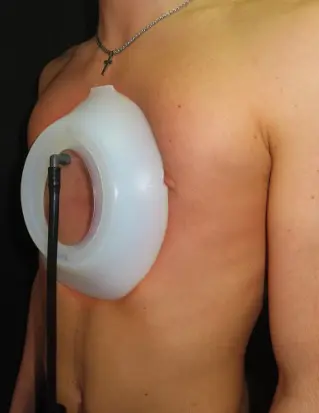
Some patients present with pectus excavatum alongside rib flare. In these cases, Vacuum Bell Therapy (VBT) is the primary treatment for the sternal depression, with a rib flare brace added where clinically indicated. The two devices work concurrently — VBT targeting the anterior sternum, the rib flare brace directing lateral correction of the costal margin.
Added to the Vacuum Bell Therapy programme as a second device — not a separate full programme.
Programme timing is discussed at consultation. The rib flare brace is introduced at the point where it is clinically appropriate within the VBT pathway — not necessarily from the outset — and the fee is adjusted accordingly. Full details are provided at the time of fitting.
About Vacuum Bell TherapyInternational patients — non-UK residents
The programme includes the same custom brace, all fittings, follow-up reviews and clinical support as the standard package. The higher fee reflects the additional administrative coordination, international clinical correspondence and remote monitoring support required for patients travelling from outside the UK. Travel and accommodation costs are not included and are the responsibility of the patient. Enquiries from international patients are welcome — please contact the clinic to discuss arrangements before booking.
Imaging & onward care — included in surgeon-led programme
Imaging, when needed
Mr Hunt can request and interpret specialist imaging — CT, X-ray or 3D chest wall reconstruction — where this is clinically indicated. Arranging or interpreting imaging is outside the scope of orthotist-led programmes.
Specialist referral
Where physiotherapy or further specialist input is required, Mr Hunt coordinates referral to practitioners with specific experience in chest wall and postural rehabilitation — not a generic signposting service.
Surgery, if it becomes relevant
If bracing proves insufficient, you are already under the care of a Consultant Thoracic Surgeon. No new referral is needed — the complete surgical pathway is available within the same specialist practice.
Frequently asked questions
Common questions from patients and families about the pectus carinatum bracing programme.
Bracing applies sustained, adjustable pressure to the chest protrusion to gradually remodel the chest wall into a more natural shape. Like orthodontic braces for teeth, it works by harnessing the flexibility of the cartilage over time — and requires consistent daily wear to be effective. The brace is custom-made from a 3D scan of each patient's chest.
Alongside standard dynamic compression bracing, Mr Hunt offers a preparatory manipulation technique before the brace is fitted. Using physiotherapy soft tissue release principles — adapted specifically for the chest wall — it gently mobilises the cartilage joints of the breastbone towards a more corrected position before the brace is placed. The clinic's published outcome data shows this improves compliance and can reduce the total programme duration. It is offered where clinically appropriate, not in every case.
Yes. The American Paediatric Surgical Association (APSA) reviewed the evidence in 2012 and recommended external bracing as the first-line treatment for flexible pectus carinatum. The Pectus Clinic collects outcome data and has published results in peer-reviewed journals and at national and international conferences.
Not always. Three factors matter most: age, chest wall flexibility, and the type of deformity. Bracing is most effective in younger patients with flexible cartilage, and becomes progressively less predictable as the chest wall stiffens with skeletal maturity. High carinatum — where the protrusion is in the upper chest — can be harder to treat with a standard brace. Mr Hunt assesses all patients individually, using clinical examination, a 3D scan, and a pressure gauge to confirm suitability before recommending treatment.
Bracing is primarily a treatment for children and adolescents — the majority of patients at the Pectus Clinic are in their early to mid-teens. The chest wall stiffens with skeletal maturity, and the effectiveness of bracing reduces progressively with age. Results can be achieved in older patients in selected cases, but realistic expectations are important and the programme is likely to take longer. Mr Hunt will give an honest view of likely benefit at the initial consultation.
Rib flare — where the lower ribs protrude prominently — is common alongside pectus carinatum, and in younger patients it often improves naturally over time with growth and targeted exercises. Exercises are a routine part of the bracing programme regardless. Where flare is more significant, a rib strap can be added alongside the main brace. For more prominent or persistent rib flare, a custom rib flare brace may be recommended. Mr Hunt assesses this at consultation.
The consultation is around 30 minutes and can take place virtually or in person. Mr Hunt will discuss your history, review photographs, confirm the diagnosis, and explain all relevant treatment options. An in-person consultation also includes a hands-on chest wall examination, a pressure gauge measurement to assess flexibility, and a 3D scan for brace manufacture. If the initial consultation is virtual, a separate in-person assessment appointment is arranged before the brace is ordered.
The fitting appointment at Spire St Anthony's Hospital, Cheam takes around 45 minutes. Mr Hunt performs the preparatory manipulation where appropriate, fits the custom brace, and checks position and comfort. The brace is then worn continuously and without interruption — including overnight — until the follow-up check the next day, which typically takes 15–30 minutes. Fit is confirmed, any adjustments are made, and the personalised wearing schedule begins. The wearing schedule begins the day after the follow-up check, from which point daily removal for showering and sport is permitted as set out in the schedule.
Most patients describe it as uncomfortable rather than painful. A warming cream and topical anaesthetic are applied beforehand. The procedure takes around 15–20 minutes and involves focused, controlled pressure on the cartilage joints of the chest wall. Most patients tolerate it well. Simple painkillers such as ibuprofen are usually sufficient for the first few days afterwards.
Loose, comfortable clothing. It is helpful to come with a family member or friend, particularly for younger patients. Most patients are comfortable travelling home by public transport or car after the appointment.
Wearing the brace is uncomfortable rather than painful, particularly in the first day or two when the chest is still adjusting and the manipulation site may be a little tender. An over-the-counter painkiller such as ibuprofen or paracetamol is helpful in the first couple of days if needed. The experience is similar to wearing dental braces — initially noticeable and occasionally uncomfortable, but most patients have largely adapted to wearing the brace by the end of the first week.
The wearing schedule is tailored to each patient and provided in full at the follow-up check the day after fitting. In general, the brace is worn throughout the day and night, with two daily allowances built in from the start: around 20 minutes for bathing or showering, and 1–2 hours for sport or physical activity. The programme typically runs for 9–18 months depending on age, flexibility, and how quickly the chest corrects.
Yes — for most sports. A daily allowance of 1–2 hours for physical activity is built into the schedule from the start. The brace allows full arm movement and can be worn for most training. For contact sports such as rugby, judo, or martial arts, the brace should be removed during play. Please discuss specific sporting commitments with Mr Hunt at consultation.
The standard brace is not designed for prolonged immersion in water and should not be worn for swimming. After the initial weeks, short periods off the brace can be used for swimming. For competitive or frequent swimmers, the wearing schedule can be adapted.
The brace has a low profile and is custom-fitted to each patient. It is generally not noticeable under a loose-fitting top, jumper, or jacket. It will be more visible under a thin, close-fitting T-shirt. Most patients adapt quickly and find it manageable. The brace is considerably less conspicuous than the deformity it is treating.
Pressure and friction at contact points is the most common issue, particularly in the first few weeks. Check the skin regularly, keep it clean and dry, and apply a simple emollient such as E45 daily. Sudocrem helps with mild redness. If skin begins to break down, loosen the brace, apply a protective dressing, and email a photograph to the clinic for advice. Written skin care guidance is provided at fitting.
Occasionally — particularly in younger patients with very flexible chests, or where the brace is over-tightened. The chest may appear to dip inward temporarily. This is not dangerous and resolves with simple brace adjustment. If you notice it, email a photograph to the clinic for prompt advice. Overcorrection invariably settles once brace tension is reduced.
Reviews are scheduled at approximately 12 weeks, 26 weeks, and 42 weeks after fitting. The 12-week review can usually be done virtually if there are no concerns. Additional appointments can be arranged as needed, and email and telephone support is available throughout the programme with no limit on contact during the treatment period.
If bracing is not appropriate — or has not achieved the desired result — surgical correction can be discussed. Options for pectus carinatum include the modified Ravitch procedure and the minimally invasive hybrid approach. Mr Hunt will give an honest view of likely benefit for each option. The aim is always to recommend the most appropriate treatment for the individual, not to default to surgery where non-surgical management has a realistic chance of success.
Rib flare — frequently asked questions
Rib flare refers to a prominence or outward protrusion of the lower ribs — most often the costal margin (the curved lower border of the rib cage). It can be mild and barely noticeable, or prominent enough to cause discomfort, clothing fit problems, or self-consciousness. It often occurs alongside pectus carinatum or other chest wall shape variations, but can also present in isolation.
In most cases rib flare reflects the natural shape of the chest wall rather than a single identifiable cause. Contributing factors can include chest wall shape and rib cage geometry, posture, breathing pattern, thoracic mobility, and core muscle tone. It may be present from early childhood or become more noticeable during periods of growth. In some patients it is associated with hypermobility or connective tissue variants.
Mild rib flare associated primarily with posture or breathing mechanics may improve with targeted physiotherapy, postural exercises, and awareness. However, structural rib flare — where the ribs themselves protrude outward — is unlikely to resolve without some form of treatment. The earlier treatment begins, the better the chance of a lasting result, particularly in younger patients whose chest wall is still developing.
The need for treatment depends on the degree of prominence, the impact on daily life, whether it is causing discomfort, and the patient's own concerns and goals. An assessment with Mr Hunt will include a clinical examination and a clear discussion of whether treatment is likely to help and what can realistically be achieved. Many patients are reassured at this stage; others benefit from a structured treatment plan.
No. Mild or predominantly postural rib flare may respond well to physiotherapy and rib-specific exercises without a brace. A rib strap — a simpler, less complex device than a full brace — is often appropriate for moderate rib flare. A full custom rib flare brace is reserved for more pronounced cases, or where a strap alone has not achieved a sufficient result. The most appropriate option is determined at assessment.
Treatment is tailored to the individual and may include one or more of the following: targeted rib flare exercises and postural correction; a rib flare strap for moderate cases; or a custom-fabricated rib flare brace for more significant deformity. These approaches are not mutually exclusive — many patients use a combination. Where rib flare occurs alongside pectus carinatum, both can often be addressed within a single treatment programme.
A rib strap is a simple elastic or semi-elastic band worn around the lower chest, providing gentle circumferential compression to the costal margin. It is lightweight, relatively discreet, and well tolerated. A rib flare brace is a custom-made rigid or semi-rigid device — similar in principle to a pectus carinatum brace — that applies directed pressure to the flared ribs over a prolonged wearing programme. The brace is more intensive but is appropriate where the degree of flare warrants it.
For mild or posture-related rib flare, exercises targeting thoracic mobility, breathing mechanics, and core stability can make a meaningful difference. For structural rib flare where the ribs are genuinely prominent, exercises alone are unlikely to correct the shape — but they remain a useful adjunct to bracing, helping to maintain improvement and support the overall result.
Not necessarily. The pectus carinatum programme at the Pectus Clinic includes a rib flare strap as standard, meaning that moderate rib flare occurring alongside pectus carinatum is addressed within the same programme. Where rib flare is more significant, a separate custom rib flare brace may be recommended in addition — this is assessed individually. The aim is to keep the programme as streamlined as possible while achieving the best result.
Wearing schedules are personalised based on the severity of rib flare, the patient's age, and how the chest wall responds over time. In general, the approach mirrors that for pectus carinatum — starting with extended daily wear and gradually reducing as the shape improves. A detailed personalised wearing schedule is provided at the start of treatment and adjusted at each follow-up appointment.
Treatment length depends on the degree of rib flare, the patient's age and growth stage, and the rate of response. Many patients see meaningful improvement within a few months. A structured programme typically runs over nine to eighteen months, with follow-up appointments at regular intervals to monitor progress and adjust the treatment plan.
A rib strap is relatively thin and low-profile; it is usually undetectable under a T-shirt or fitted top. A custom rib flare brace is more substantial and may create a slight outline under close-fitting clothing, though most patients find it manageable day to day. Looser or layered clothing makes it less visible. Most patients adapt quickly and do not find it significantly limiting in everyday life.
Results depend on the severity of rib flare, the patient's age, and how consistently treatment is followed. Younger patients — particularly those still growing — tend to achieve the most durable improvements. The morphology of the rib flare also matters: where the costal margin has a more pronounced knuckle or angular shape, bracing typically reduces the prominence and makes the profile flatter, but does not usually alter the underlying shape of the rib. Most patients who complete a structured programme notice a meaningful reduction in how prominent the flare looks. Mr Hunt will give an honest assessment of what is likely achievable in each individual case at consultation.
If bracing is not appropriate — or has not achieved a satisfactory result — it is possible to discuss with Mr Hunt whether any surgical options may be relevant in your particular case. This would depend on the nature and extent of the rib flare, clinical findings, and individual circumstances. Not all patients are suitable for surgery, and the discussion would be based on a careful assessment rather than any routine recommendation.
Request a specialist assessment
Whether you are considering bracing for the first time, reviewing options after a previous treatment, or seeking a second opinion, a structured specialist assessment is the right starting point. All decisions are made after thorough individual evaluation.