
Vacuum Bell
Therapy
The main established non-surgical treatment for pectus excavatum. The Klobe vacuum bell uses gentle daily suction to gradually lift the sternum — and may avoid the need for surgery in well-selected patients who commit to the programme.
The Pectus Clinic offers a surgeon-led Vacuum Bell Therapy (VBT) programme based on published outcomes data. Every patient is assessed personally by Mr Ian Hunt before treatment is recommended.
What is Vacuum Bell Therapy?
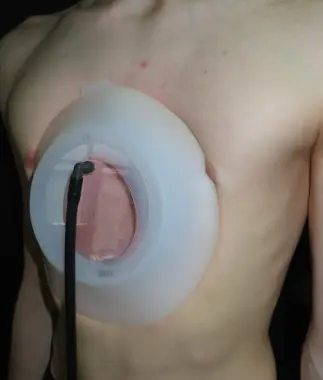
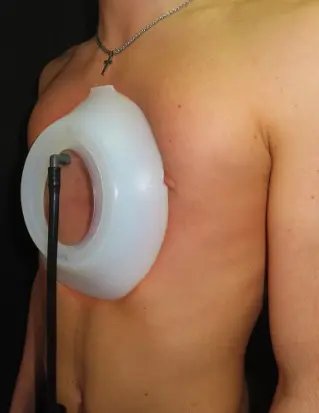
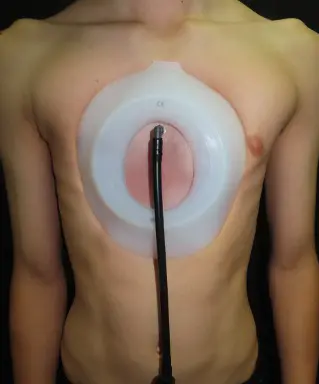
Vacuum Bell Therapy (VBT) is the main established non-surgical treatment for pectus excavatum. A dome-shaped silicone suction cup is placed over the chest and a partial vacuum is created using a hand pump, gently lifting the breastbone and anterior chest wall upwards. Used consistently over time, this repeated elevation leads to progressive remodelling of the flexible costal cartilages, with the aim of achieving a lasting improvement in chest shape.
VBT works best in younger patients — typically under 16 — where the chest wall cartilage remains flexible and responsive to gradual reshaping. The average age at the start of treatment is around 12–13 years, though selected older teenagers can also benefit. Beyond skeletal maturity, as cartilage stiffens and calcifies, the technique becomes progressively less effective.
This is a physically demanding treatment that requires genuine commitment. The programme runs for approximately two years, with a minimum of four hours of wear per day — often considerably more. Sleeping in the vacuum bell is encouraged, as it is one of the most practical ways to accumulate wear hours without disrupting daily life. Outcomes are directly related to consistency of use: the device does not work without daily dedication.
The vacuum bell used at the Pectus Clinic is the original Klobe device — the only system with an established published evidence base and manufacturer-backed sizing protocol. It is not a generic product, and correct fitting is essential to both comfort and effectiveness.
At a glance
Eckart Klobe — inventor of the vacuum bell
The vacuum bell was developed by German engineer Eckart Klobe in 2002. Klobe, who had pectus excavatum himself, designed the device after failing to find a non-surgical treatment option. Working with surgeons at the University of Bochum, he developed the silicone suction dome that remains in widespread use today.
The Klobe device is the only vacuum bell with a manufacturer-defined sizing protocol and documented safety data. All devices used at the Pectus Clinic are authentic Klobe vacuum bells.
AlShammari A, Santhirakumaran G, Patel A, Hunt I. Prospective Evaluation and Successful Outcomes Using Vacuum Bell Therapy for Pectus Excavatum in Selected Paediatric Patients: Analysis of a Prospective Cohort Study of 240 Patients. J Cardiothorac Vasc Surg 2025.
Patel AJ, Hunt I. Is vacuum bell therapy effective in the correction of pectus excavatum? Interact CardioVasc Thorac Surg 2019;29:287–90.
The VBT pathway at the Pectus Clinic
How Vacuum Bell Therapy works
The vacuum bell was first described by Klobe in 2002 and has since been adopted in specialist pectus centres worldwide. Its mechanism depends entirely on the flexibility of the chest wall — which is why age and musculoskeletal maturity are the most critical factors in patient selection.
Suction applied
The bell is positioned over the deepest point of the pectus deformity. The hand pump removes air from beneath the dome, creating a partial vacuum between the device and the chest wall.
Sternum elevated
Negative pressure draws the anterior chest wall upwards. Visible elevation of the sternum and adjacent rib cartilages occurs within seconds of application. The bell is held in place by suction alone — no straps or fixings.
Cartilage remodelled
Repeated daily elevation gradually stretches and reshapes the flexible costal cartilages. The diaphragm and anterior intercostal muscles — which contribute to the inward pull of the chest wall — are also stretched over time, reducing the deforming force.
Lasting correction
In well-selected patients, the elevated position is gradually maintained even when the device is removed — reflecting permanent cartilage remodelling. In skeletally mature patients with calcified cartilage, meaningful lasting correction is unlikely.
The role of flexibility
The vacuum bell exploits the natural plasticity of cartilage during growth. In children and younger adolescents, the costal cartilages behave like flexible biological material — amenable to sustained mechanical reshaping. As skeletal maturity progresses, cartilage gradually calcifies and stiffens, and becomes progressively less responsive to the forces generated by the vacuum bell.
This is why VBT is a treatment for children and adolescents, not adults. The window of opportunity is during active growth, before the chest wall loses its plasticity. There is little published evidence that VBT achieves permanent or near-permanent correction once skeletal maturity is reached — the force generated by the vacuum bell is insufficient to remodel calcified cartilage in any lasting way. A thorough clinical assessment to confirm flexibility is an essential part of the decision to proceed.
Compliance determines outcomes
Unlike surgery, where a single procedure produces a structural change, VBT places the treatment outcome almost entirely in the hands of the patient. Mr Hunt's 2019 published review — and the Pectus Clinic's own 240-patient series — both conclude that consistency of daily use is the single most important predictor of a good result.
What compliance means in practice
- Using the device every day, without significant gaps — holidays and weekends included
- Building up wear time systematically over the first 8 weeks
- Targeting a minimum of 4 hours per day from month 2 onwards
- Attempting to sleep in the vacuum bell where practical — this is one of the most effective ways to accumulate hours
- Not relying on high suction pressure as a shortcut — consistent moderate pressure over time is more effective than intense intermittent use
- Attending all scheduled reviews so that progress is monitored and the programme can be adjusted
What happens without consistent use
VBT cannot reshape the chest wall if the device is only worn occasionally. Patients who wear the bell inconsistently — particularly during the early months when cartilage remodelling is most active — typically see little or no sustained improvement.
Mr Hunt is direct about this at the consultation. If a patient's lifestyle, school commitments, or motivation make it unlikely they will achieve consistent daily use, VBT may not be the right choice at that time — and alternatives including watchful waiting or surgery are discussed honestly.
"The success of VBT is largely dependent on patient commitment and consistency of use."
— Patel AJ, Hunt I. Interact CardioVasc Thorac Surg, 2019
The Vacuum Bell
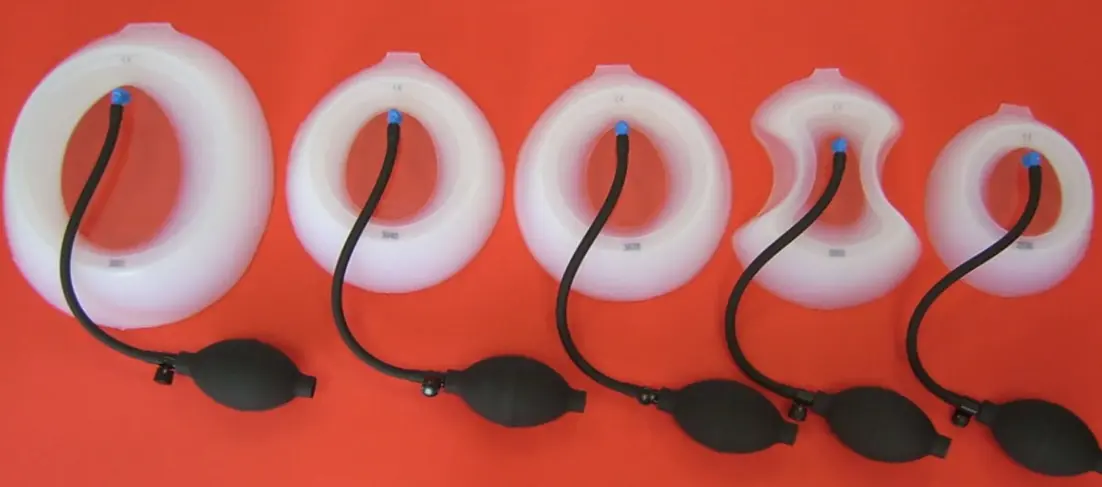
The vacuum bell is a dome-shaped medical-grade silicone suction cup, designed by Eckart Klobe and manufactured in Germany. It is supplied with a hand-operated pump and pressure gauge, and comes in multiple sizes to accommodate different chest wall dimensions.
The correct device size is determined at the fitting appointment based on clinical measurements. Mr Hunt selects the appropriate bell and demonstrates the application technique in person. Patients leave the fitting appointment with the device and a full wearing programme. Sleeping in the vacuum bell is actively encouraged and forms an important part of achieving the required daily hours.
Included in the programme fee
Wearing the vacuum bell day-to-day
The vacuum bell is typically worn at home — during quieter activities such as reading, watching television, working at a desk, or resting. It can also be worn under clothing when out, though most patients find home-based wear more practical. The device is removed for any activity that would make it impractical or uncomfortable. When not wearing it, normal physical activity is encouraged as part of the programme.


Clinical assessment
Three factors are central to suitability for VBT: age, musculoskeletal maturity — which determines the flexibility of the costal cartilages — and the type and depth of the deformity. A thorough clinical assessment is essential before treatment is recommended.
The vacuum bell works by lifting the sternum and stretching the internal muscles, including the diaphragm, that pull the chest wall inward. This only works if the chest wall has sufficient flexibility to respond to mechanical reshaping. Flexibility cannot be assumed from age alone — it must be assessed clinically.
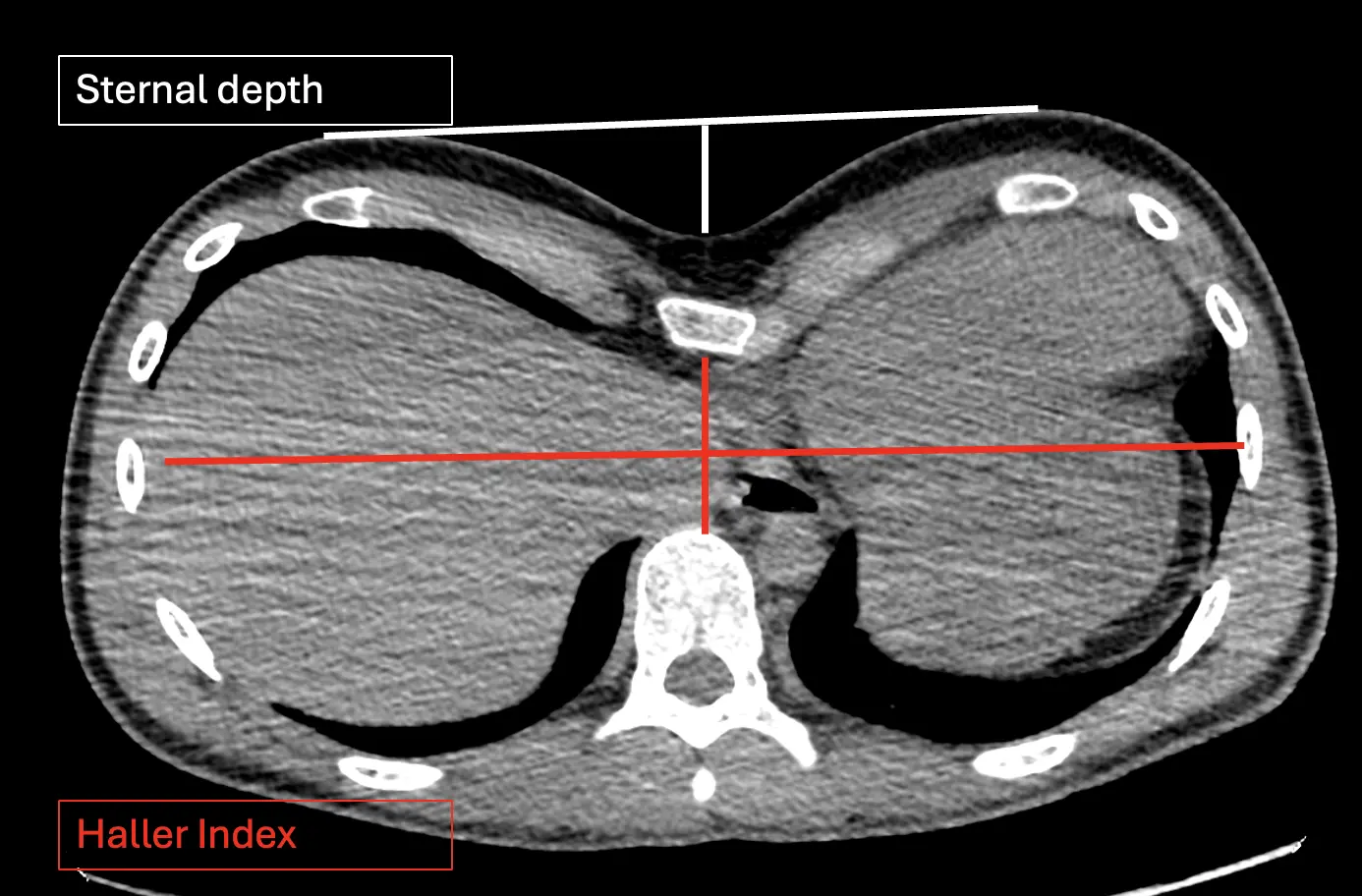
Sternal depth and the Haller index
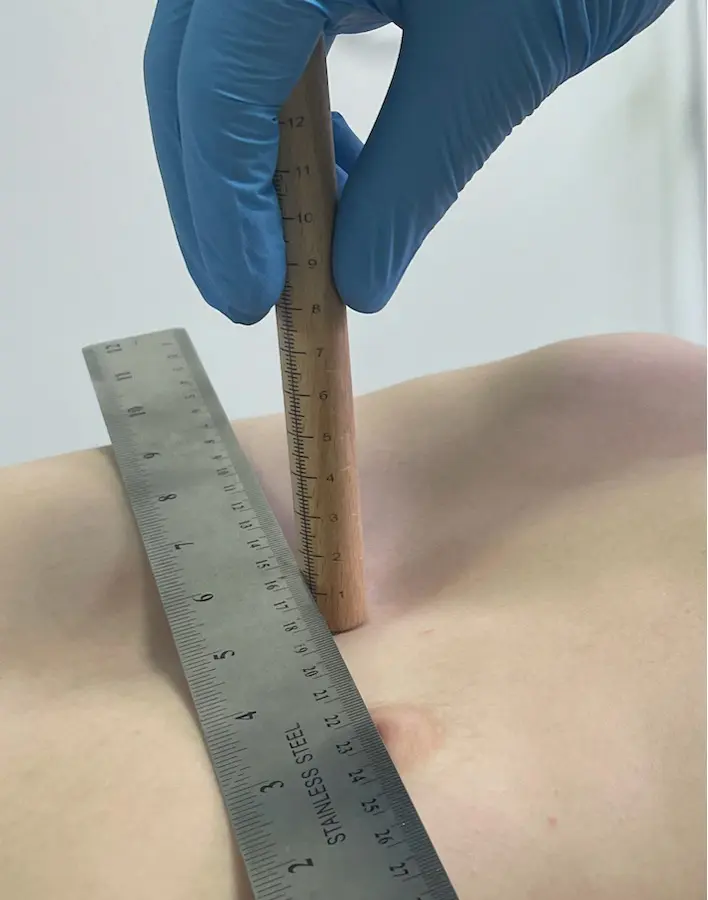
Sternal depth is a clinical measure — the direct depth of the excavatum at its deepest point, in centimetres, assessed on physical examination. The Haller index (HI) is a radiological measure derived from CT or MRI, used when imaging is clinically indicated. Both are used together to characterise severity and guide management.
Sternal depth provides the most clinically intuitive guide to likely VBT response:
| Sternal depth | Severity | VBT response guide |
|---|---|---|
| < 1 cm | Mild | High likelihood of good outcome |
| 1–2 cm | Mild–moderate | Good candidate — discuss at consultation |
| 2–2.5 cm | Moderate | Carefully selected patients only — assess flexibility |
| 2.5–3 cm | Severe | VBT unlikely to achieve clinically significant improvement — generally not recommended |
| > 3 cm | Very severe | VBT not recommended — surgical correction appropriate |
A sternal depth approaching 3 cm typically reflects a significant Haller index of 3.2–3.5 or above. Sternal depth is a guide, not an absolute threshold — age, flexibility, and individual goals are always weighed alongside these measurements.
Haller index (radiological measure)
 NHS England — Surgical Eligibility
Who is suitable for VBT?
VBT is not appropriate for all patients with pectus excavatum. Three factors are central to suitability: age, musculoskeletal maturity (which determines cartilage flexibility), and the type of deformity. A thorough clinical assessment is essential before treatment is recommended.
✓ Likely suitable
- Children from approximately 8 years who can understand and tolerate the programme
- Adolescents under 16–18 with confirmed flexible costal cartilage
- Mild to moderate pectus excavatum (sternal depth <2.5 cm)
- Symmetric or near-symmetric deformity
- Patients and families motivated to commit to daily use for ~2 years
- Separate indication: intraoperative use during a Nuss procedure — to assist sternal elevation at the time of surgery
✗ Less likely to benefit
- Skeletally mature adults with calcified costal cartilage
- Severe PE (sternal depth >3.0 cm) where surgical correction is usually more appropriate
- Significant asymmetric deformity — VBT may not address lateral displacement adequately
- PE with associated cardiac or respiratory compromise requiring prompt correction
- Patients unable to commit to consistent daily use
- Contraindications: osteogenesis imperfecta, significant aortic dilatation (Marfan), haemophilia
The VBT wearing programme
The programme builds systematically over the first two months, then maintains a consistent minimum of four hours per day for the duration of treatment — typically around two years. Consistency of daily wear matters far more than suction pressure. Reviews are arranged at approximately 3 months, 6–9 months, 12–18 months, and 24 months after fitting. Individual guidance on schedule, pressure, and progress is provided by Mr Hunt at each review — the programme is adjusted throughout based on the patient's response, compliance, and correction achieved to date.
Months 1–2: building up
The first application is supervised at the fitting appointment. Wear time builds progressively over 8 weeks. Most patients see temporary sternal elevation within the first 2–4 weeks.
Month 2 onwards: sustained wear
From month 2, the goal is consistent daily wear of at least 4 hours, with 8+ hours the recommended target. Sleeping in the vacuum bell is encouraged as the most practical way to accumulate hours.
Build-up
Weeks 1–8. Wear time increases from 1 hour to 4+ hours daily. Temporary visible elevation typically seen within the first month.
Sustained wear
Month 2 onwards. Consistent 4–8+ hours daily for approximately 18–21 months. Cartilage remodelling accumulates through this period.
Weaning
~Month 21–24, lasting ~3 months. Wear reduced to every other session or night. Monitored for recurrence — any return of deformity prompts a return to regular use before re-weaning.
Completion
~2–2.5 years total. Stable correction without device support confirmed. Younger patients (<12) may continue a protracted maintenance phase through remaining growth.
Sleeping in the vacuum bell
Wearing the vacuum bell overnight is one of the most effective strategies in the programme. Most patients who sleep on their back or side find it possible once comfortable with the device — typically from weeks 4–6 onwards. If the device loses suction during the night, this is normal and does not cause harm. The goal is to accumulate hours, not necessarily to wear it continuously through the night. Even 4–6 hours of sleep-time use significantly contributes to the daily total.
Results of the VBT programme
Published evidence from the Pectus Clinic and international specialist centres supports VBT as a safe and effective non-surgical treatment in well-selected patients. Outcomes are consistently linked to adherence and patient selection.
Across the published literature — including series from Germany, Austria, the United States, and the UK — around two-thirds of selected patients improve clinically, with approximately one-third achieving complete or near-complete correction. Breathing difficulty and satisfaction scores improve significantly in responding patients. The Pectus Clinic's 240-patient prospective cohort is broadly consistent with these international findings.
The strongest predictor of outcome across all series is adherence. In the Pectus Clinic data, each additional hour of average daily use was associated with approximately 1.7 mm of additional funnel-depth reduction — a clinically meaningful relationship that underlines why consistent daily wear is emphasised so strongly in the programme.
The safety profile is favourable. Complications in the Pectus Clinic series were reported in 18.8% of patients, all involving mild skin reactions — redness, bruising, or irritation — that resolved with temporary adjustment. No serious complications were recorded, consistent with the wider literature.
Key data — Pectus Clinic series
Patel AJ, Hunt I. Is vacuum bell therapy effective in the correction of pectus excavatum? Interact CardioVasc Thorac Surg 2019;29:287–90.
International evidence: what other series show
The published evidence on VBT has grown substantially in recent years, with large series now reported from specialist centres in the United States and Europe. The findings consistently support the Pectus Clinic's own experience: VBT is safe and can achieve meaningful improvement, but complete correction is not the most common outcome and results are strongly dependent on patient selection and adherence.
The largest recent single-centre series included 431 patients, of whom 278 had sufficient follow-up for outcome analysis. Results were graded as excellent, good, fair, or poor: excellent correction was achieved in 11%, good in a further 15%, fair in 26%, and poor in 48%. Excellent or good correction combined was achieved in approximately 26% of patients. Better outcomes were associated with younger age, shallower initial chest depth, flexible chest wall, symmetrical or cup-shaped deformity, and treatment duration over 12 months.
A 15-year European series reported successful treatment in up to 52.1% of patients who completed therapy, supporting the value of prolonged and overnight use in appropriately selected cases. Across the literature, VBT is best regarded as a useful non-surgical option for suitable patients — not a guaranteed alternative to surgery for all patients with pectus excavatum.
International series at a glance
van Braak H et al. 15 Years of Vacuum Bell Therapy for Pectus Excavatum: Long-term Outcomes and Influencing Factors. J Pediatr Surg 2025.
Sesia SB et al. A scoping review of the effectiveness, appropriateness and economic efficiency of the vacuum bell for pectus excavatum within the Swiss healthcare system. J Thorac Dis 2025.
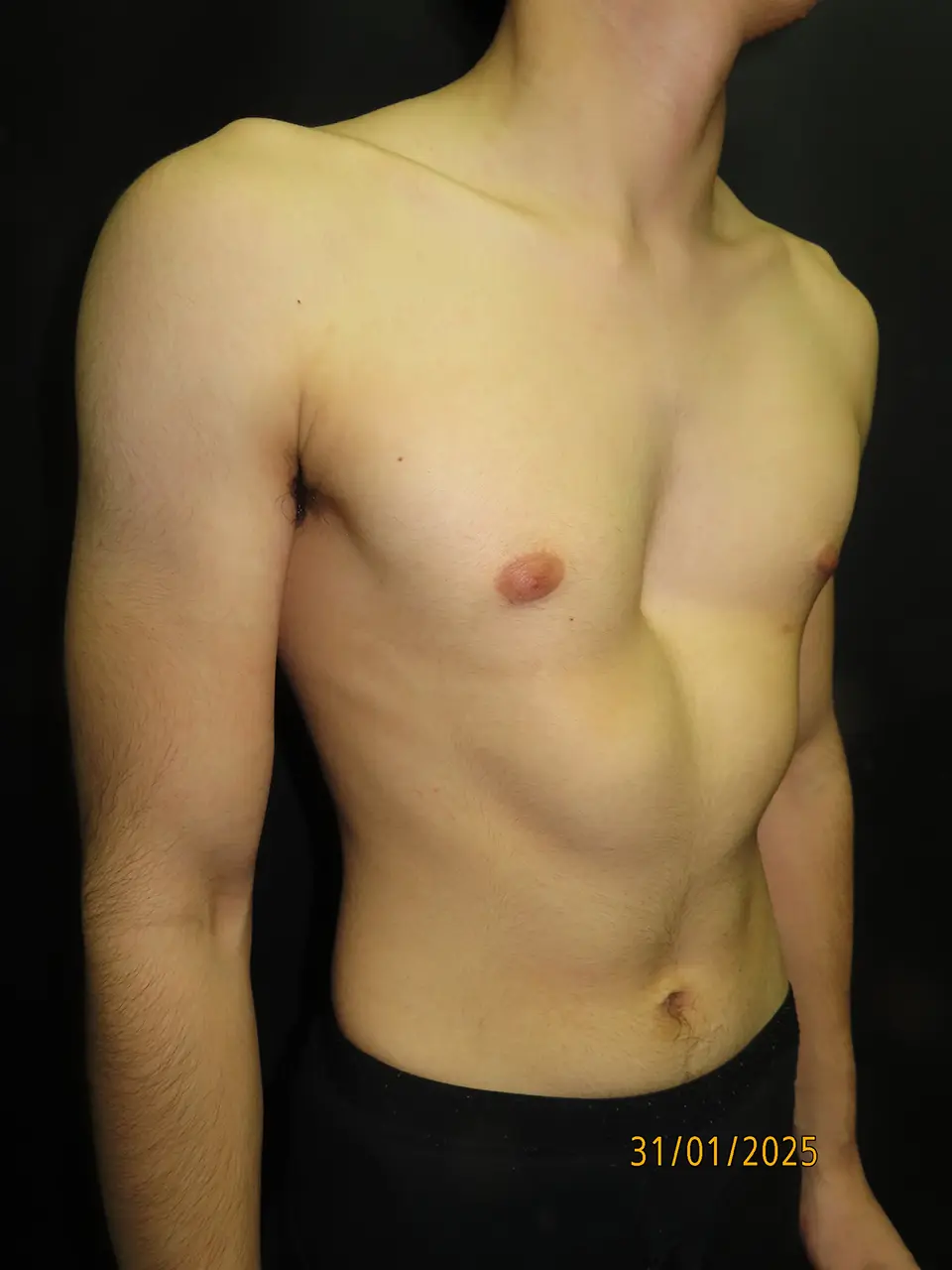
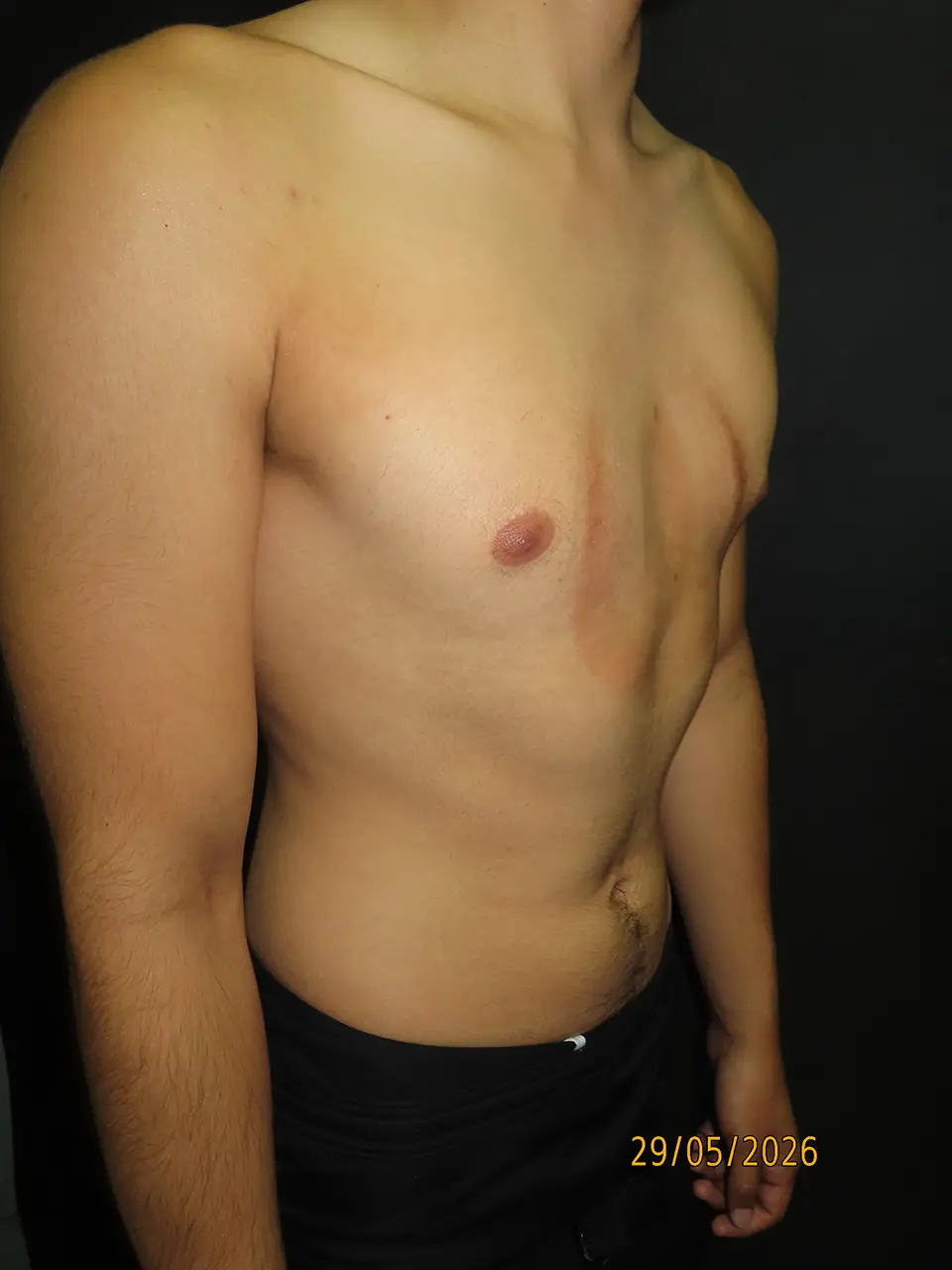
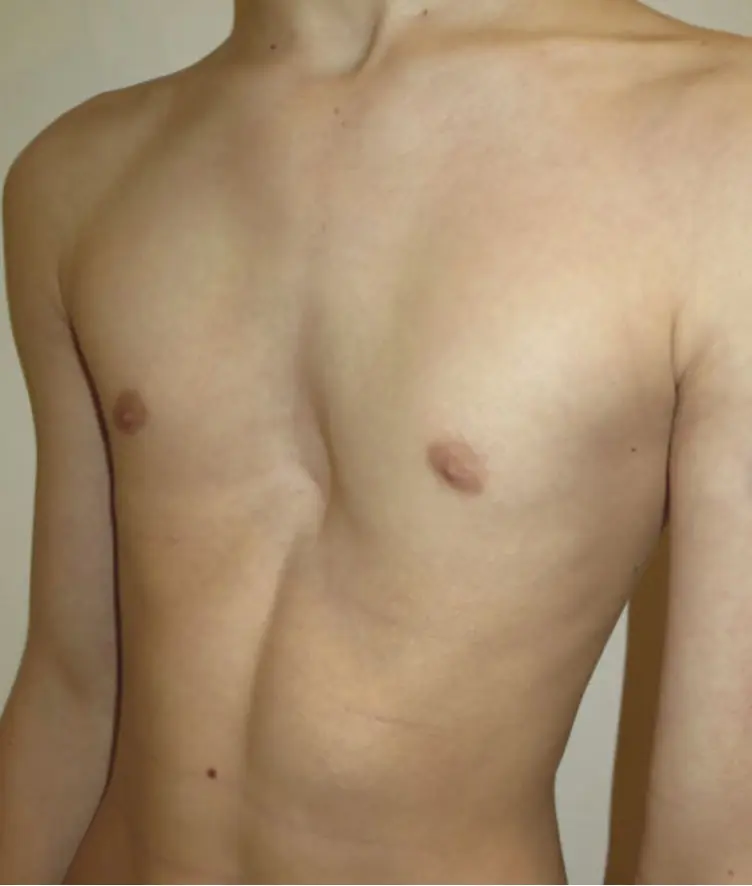
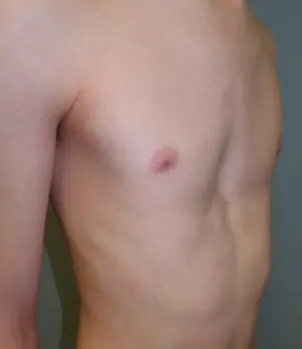
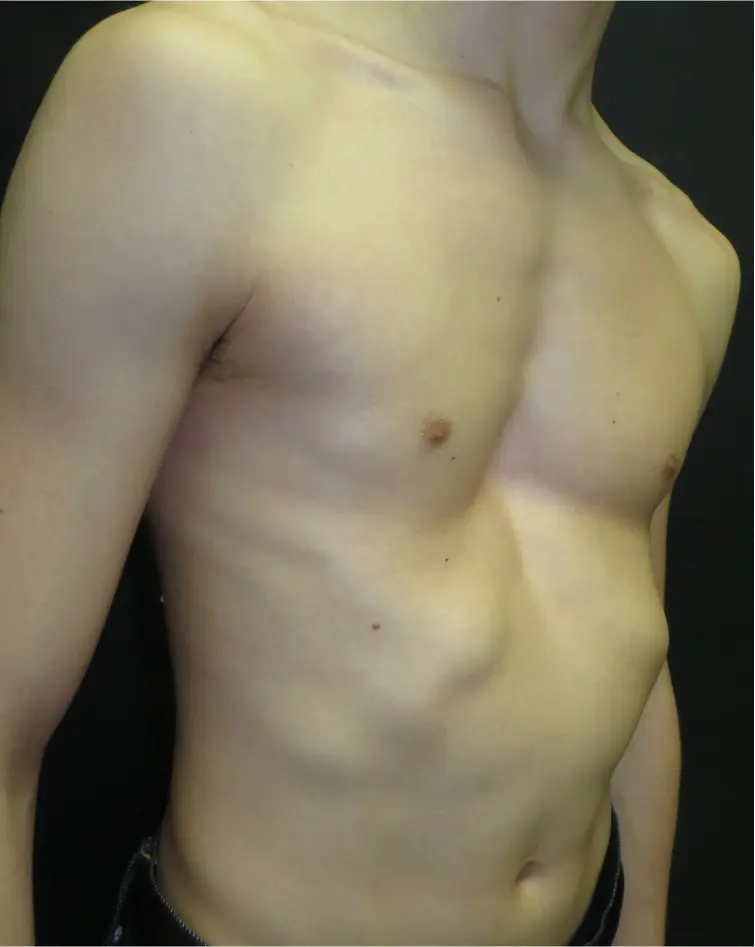
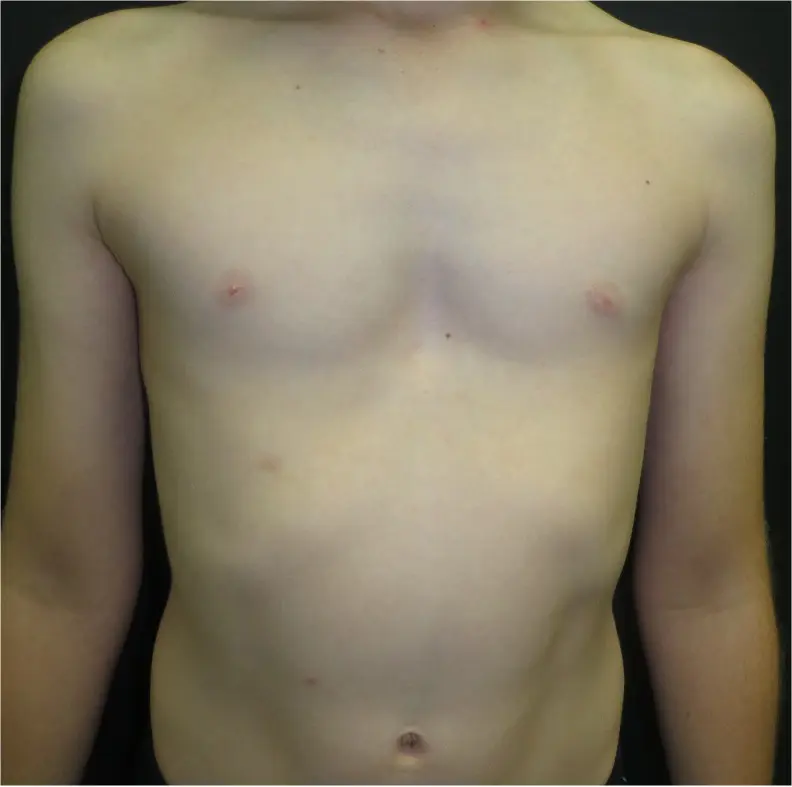
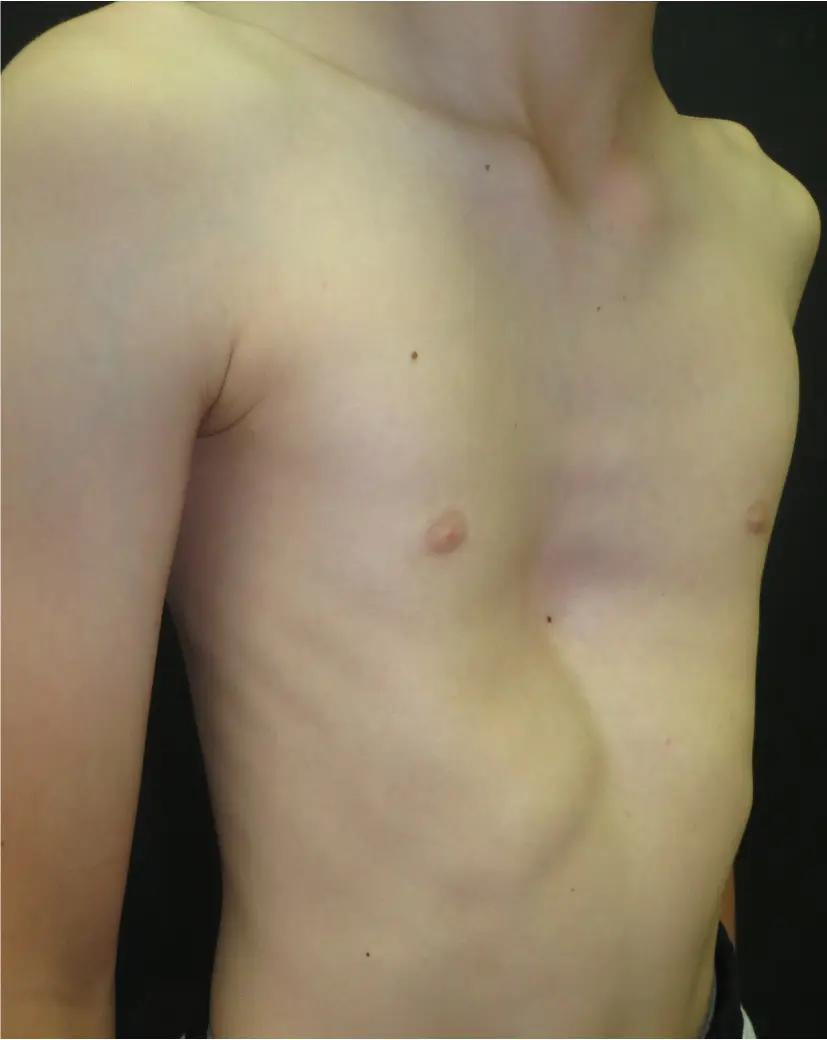
Before & after
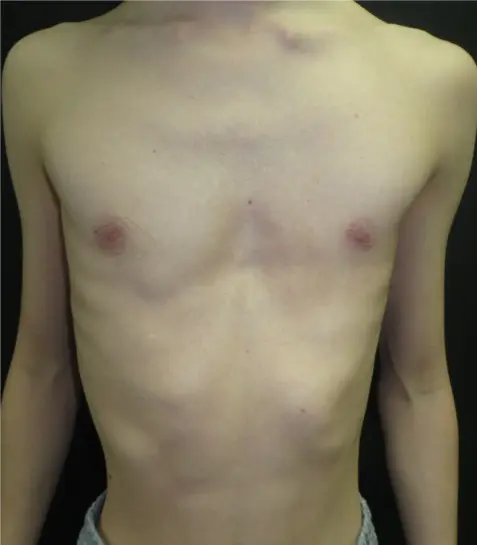
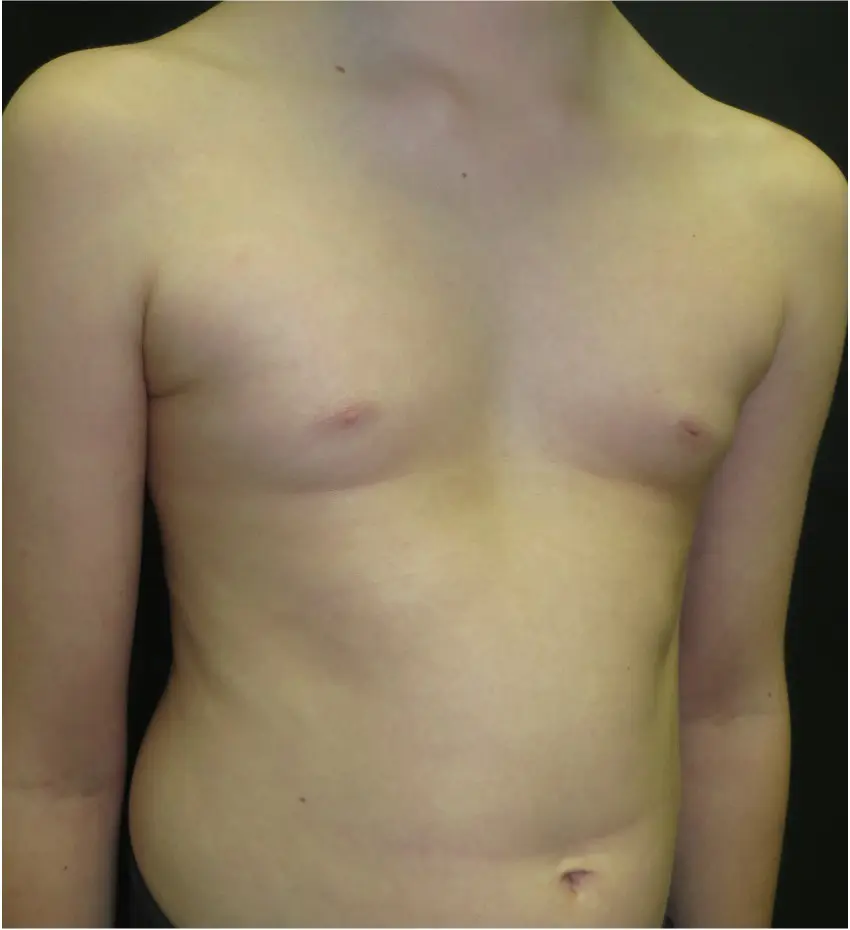
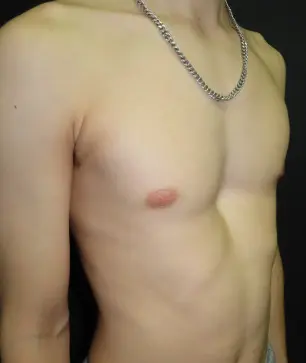
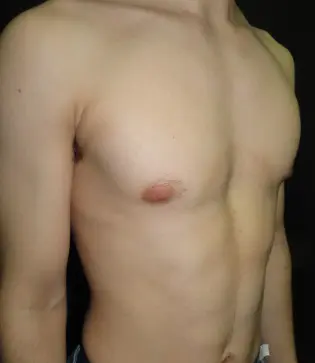
Clinical photographs from patients who have completed or are progressing through the VBT programme at the Pectus Clinic. All patients have given consent for use in educational and clinical illustration. Photographs are taken with the vacuum bell removed — typically having not been worn since the previous day — to show the resting correction, not a device-assisted effect. Results reflect individual cases; outcomes vary and depend on age, depth, and compliance.
 Before
 After
After
 Before
 After
After
 Before
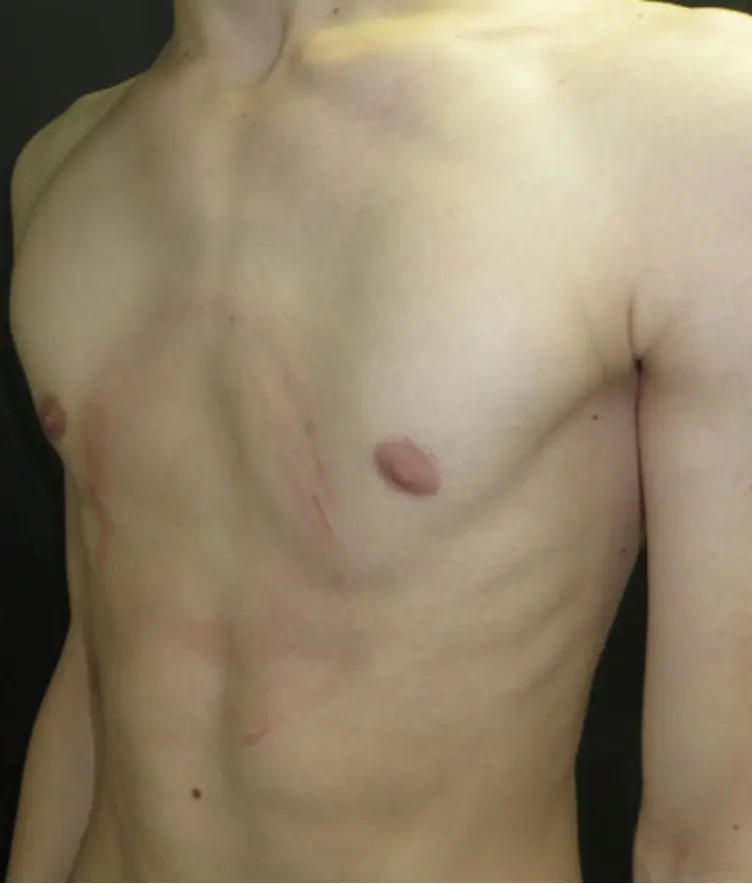 After
After
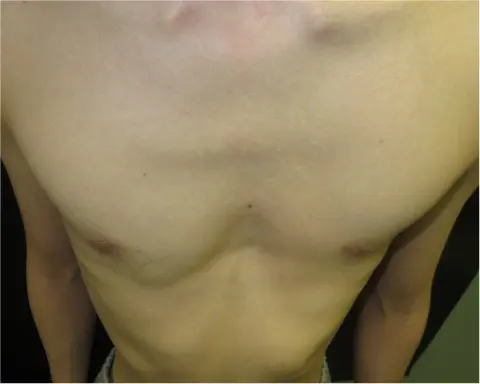 Before
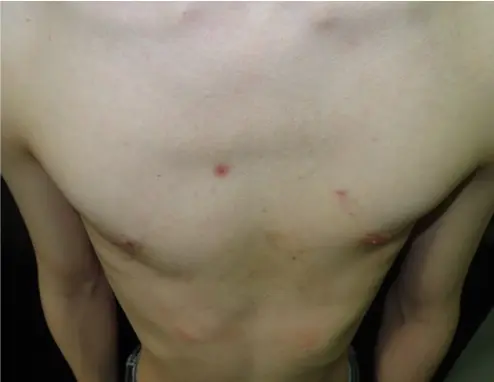 After
After
 Before
 After
After
 Before
 After
After
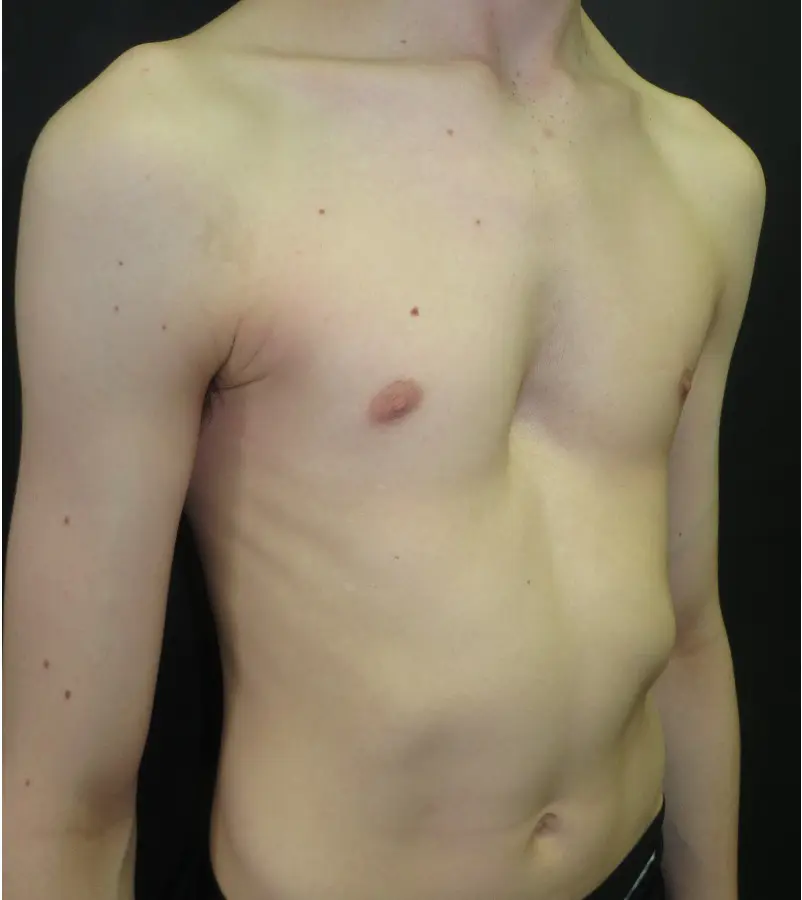 Before
 After
After
 Before
 After
After
 Before
 After
After
 Before
 After
After
 Before
 After
After
 Before
 After
After
 Before
 After
After
 Before
 After
After
 Before
 After
After
VBT with rib flare treatment
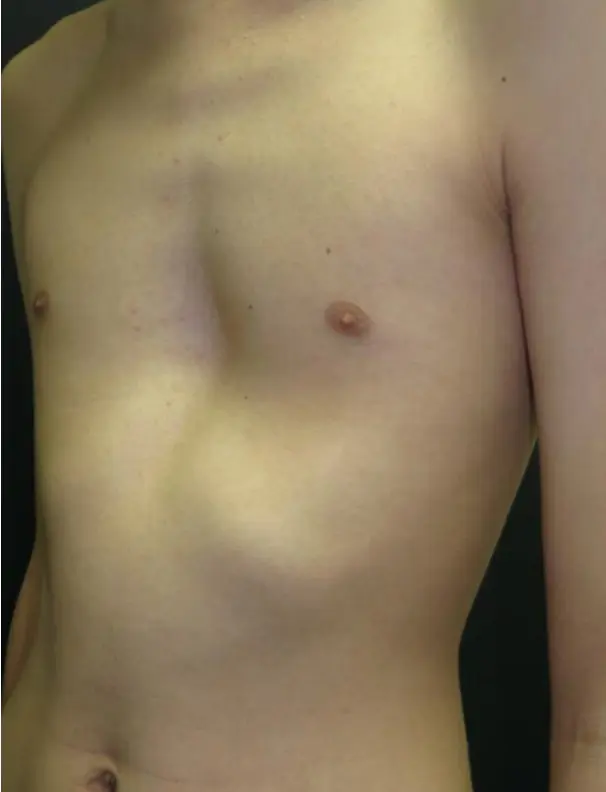
Many patients with pectus excavatum also have associated rib flare — where the lower costal margin protrudes outward on one or both sides. In these cases, VBT and rib flare treatment are managed concurrently as an integrated programme.
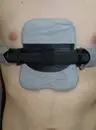
Because the vacuum bell and the rib flare strap cannot be worn simultaneously, the programme is structured so that the two devices complement each other through the day and night. A typical approach is to wear the vacuum bell during the evening and the rib flare strap during sleep, maximising both sternal elevation and costal margin compression.
For patients with significant rib flare, a formal rib flare brace (as used for pectus carinatum) may be recommended in addition to the rib flare strap. This is assessed individually and is available at an additional cost of £995.
Vacuum bell
Minimum 4+ hours daily. Targets the sternal depression. Evening and daytime use recommended.

Rib flare strap
Worn 8–12 hours when vacuum bell is not in use — ideally overnight. Addresses the costal margin.
Core exercises
Daily 30-minute programme targeting abdominal and thoracic musculature. Exercise booklet supplied at fitting.
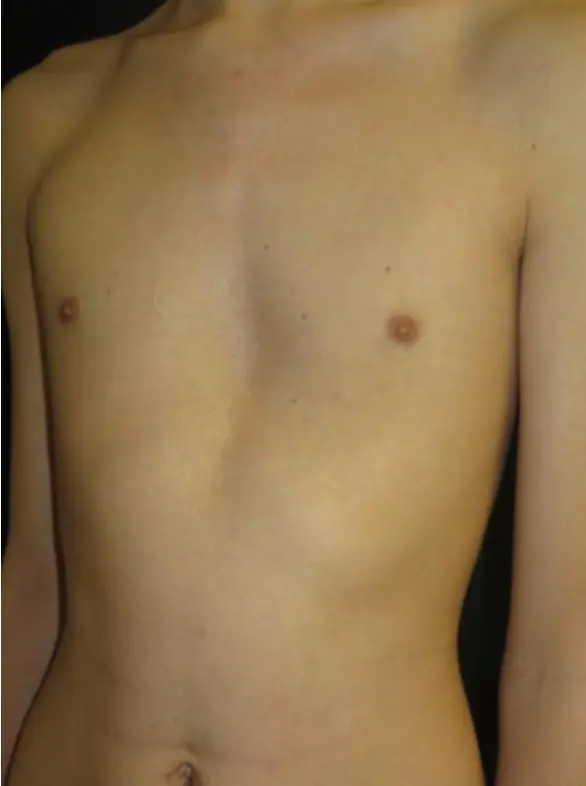
Using the vacuum bell — practical tips
Application technique
Lie flat on your back for the first few applications. Centre the bell over the deepest point of the excavatum. Ensure good skin contact before pumping. Build suction gradually — there should be a pulling sensation but no sharp pain. Start at a low pressure (around 0.1 bar) and increase slowly over the first few weeks.
Building wear time
Follow the wearing schedule provided at fitting. In the first weeks, the goal is to build tolerance and technique — not to maximise hours immediately. From month 2 onwards, the minimum target is 4 hours daily. Splitting into sessions (morning and evening, plus overnight) is a practical way to achieve this.
Sleeping in the device
This is actively encouraged and is one of the most effective strategies in the programme. Most patients sleeping on their back or side can manage this from weeks 4–6. If the device comes off during the night, it is safe — just reapply in the morning. Even 4–6 hours overnight use makes a significant contribution to daily totals.
Day-to-day activities
Most everyday activities are fine while wearing the vacuum bell — sitting, walking, light activity, watching television, schoolwork. Heavy exercise, swimming, and contact sports should be avoided while the device is applied. When not wearing it, a physically active lifestyle is encouraged as part of the programme.
Cleaning and maintenance
Wash the silicone bell with mild soap and warm water after each session. Dry thoroughly before storage. Check the valve and pump connections regularly for air leaks — a gradual loss of suction during a session is often a sign of a worn valve. Replacement parts are supplied in the spare kit provided at fitting.
Travel
The vacuum bell is compact and practical to take on holiday or when travelling. The pump and device pack into a carry-on bag. Maintain daily use during holidays — gaps significantly reduce effectiveness. The wearing programme continues through school terms and holidays alike.
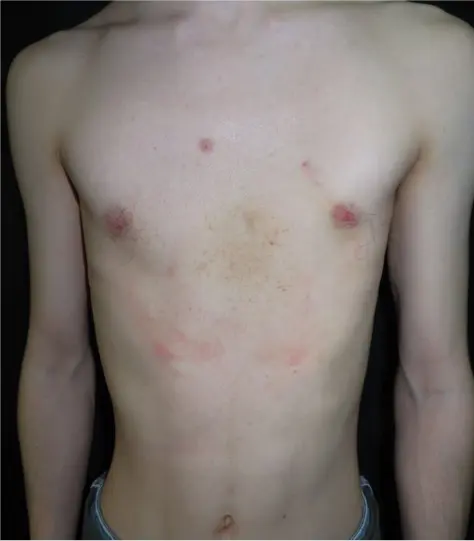
Skin changes during VBT
Skin reactions are the most commonly encountered side effect of VBT. They are almost always minor and manageable — but they require attention. The most important principle is to reduce suction or wear time at the first sign of irritation, rather than pushing through. Most skin changes resolve quickly with a short break or reduction in pressure.
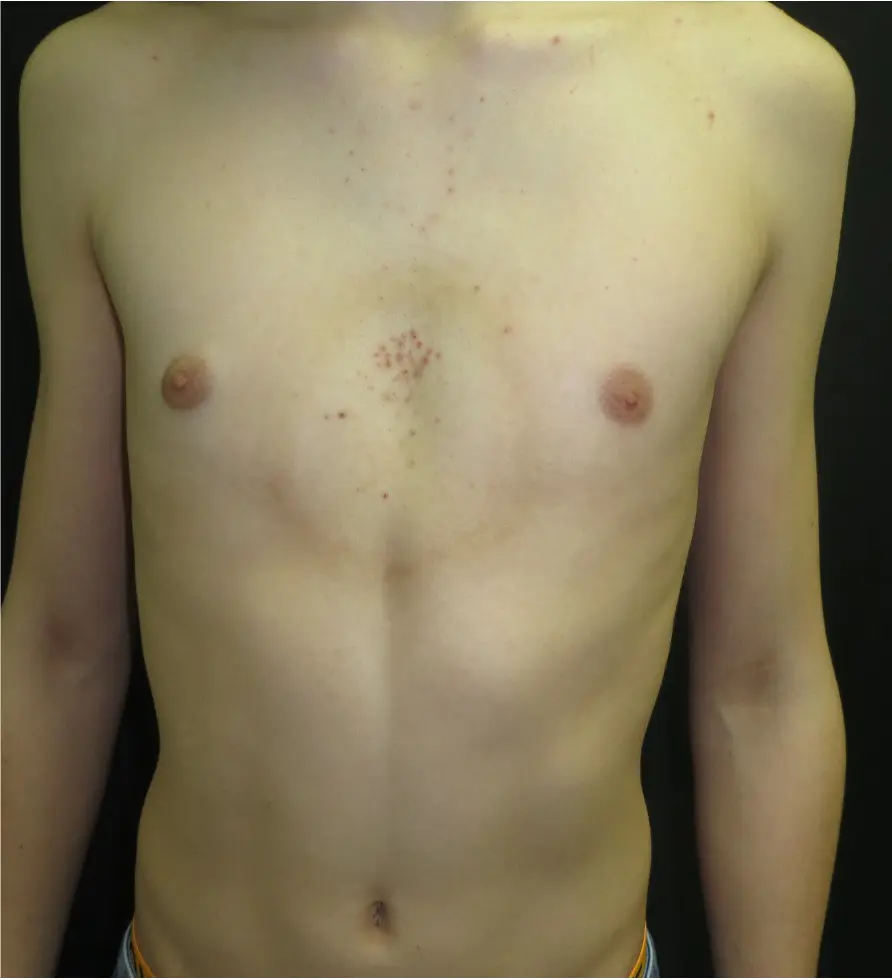
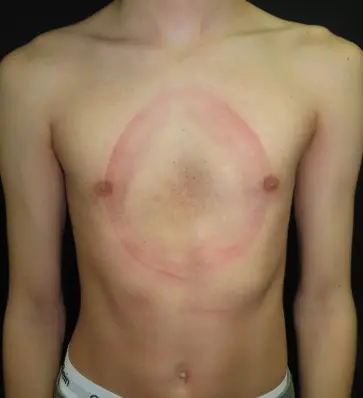
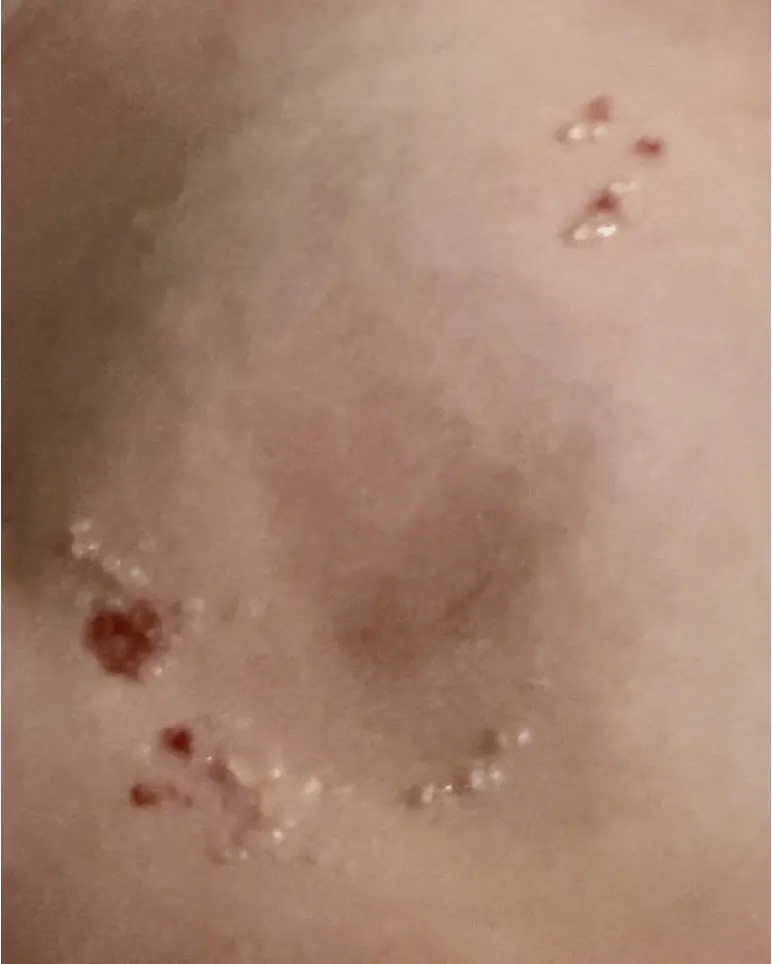

Skin changes do improve — an example
With appropriate management, most skin reactions resolve fully. The photographs below show progression from skin change to resolution in a single patient.

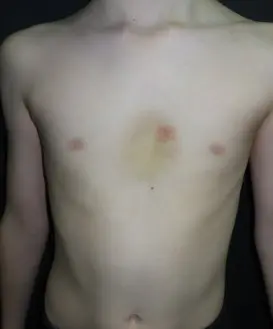

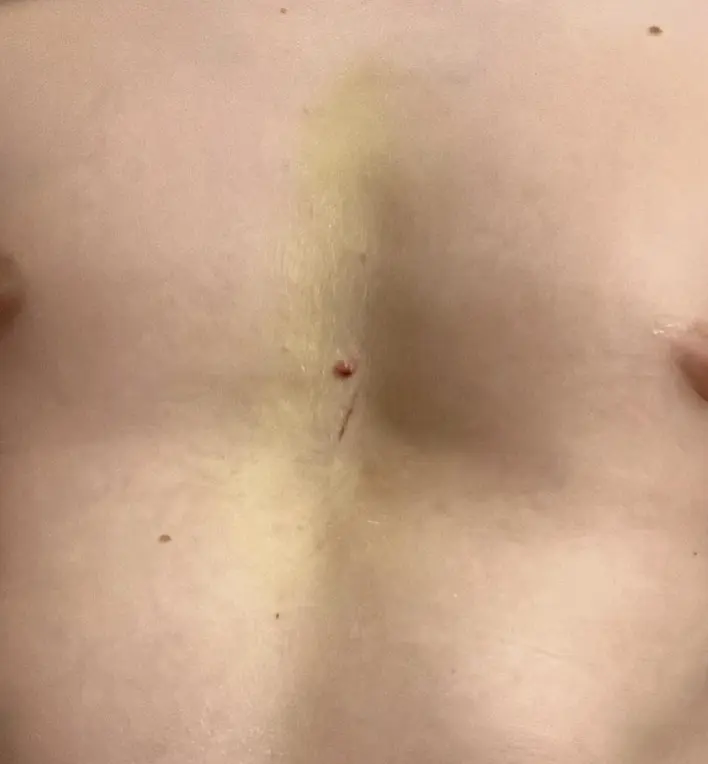
Skin colour change and haemosiderin staining
Vacuum bell treatment can cause temporary skin redness, bruising, or small broken blood vessels (petechiae) from the suction effect. These changes usually settle with a short break and by reducing pressure or duration of use.
Rarely, repeated bruising may leave a brownish mark on the skin. This can be due to haemosiderin staining — where tiny amounts of iron pigment are deposited after bruising. This is not a commonly seen problem with vacuum bell treatment, but it is worth being aware of — as illustrated by the clinical photograph shown above.
To reduce the risk: avoid excessive suction, build up gradually, and stop temporarily if significant bruising, soreness or persistent discolouration develops. If staining occurs, it may fade slowly over time. Consider pigment-lightening skin creams, or seek a dermatology opinion if the discolouration persists. See key points →
- Rare but recognised complication of prolonged VBT use
- Caused by iron pigment deposition following repeated suction bruising
- Avoid by not exceeding comfortable suction and resting if bruising occurs
- May fade slowly; moisturiser helps but true staining is slow to resolve
- Consider pigment-lightening skin creams or seek a dermatology opinion if discolouration persists
VBT programme costs
Access to vacuum bell therapy on the NHS is limited and varies significantly by location. The Pectus Clinic is committed to supporting patients regardless of where they live in the UK — and provides clear information about both NHS options and the private programme to help families make the right decision for their circumstances.
NHS access to vacuum bell therapy is limited and varies significantly by location — provision is a postcode lottery rather than a uniform national offering. In England and Wales, some NHS Trusts provide the vacuum bell through orthotics or physiotherapy; others do not fund it. In Scotland, a more formalised national pathway exists. Pectus Matters maintains up-to-date guidance on accessing NHS treatment across the four nations.
Named NHS centres with known VBT provision (as of mid 2026 — provision may change):
Because NHS provision is fragmented in England and Wales, patients should request a GP referral to a specialist chest wall or paediatric surgical unit and enquire specifically about VBT. Where NHS access is unavailable, the Pectus Clinic provides a structured private VBT programme — starting with a free photo review by Mr Hunt before any appointment or fee.
International patients — non-UK residents
The programme includes the same vacuum bell device, fitting, all follow-up reviews and clinical support as the standard package. The initial consultation fee is the same as for UK patients. Travel and accommodation costs are not included and are the responsibility of the patient. Enquiries from international patients are welcome — please contact the clinic to discuss arrangements before booking.
Frequently asked questions
Common questions from patients and families about the VBT programme at the Pectus Clinic.
The vacuum bell was developed by German engineer Eckart Klobe in 2002. Klobe, who had pectus excavatum himself, designed the device after finding no non-surgical treatment available. The technique was subsequently adopted by specialist pectus centres worldwide and now has a published evidence base of over a decade of use in selected patients. It is the main established non-surgical treatment for pectus excavatum — and the one with the most extensive published evidence base.
Yes. VBT is used in specialist pectus centres worldwide and has a published evidence base. Mr Hunt has published a worldwide systematic review of the evidence (2019) and a 240-patient prospective outcomes series from the Pectus Clinic (JCVTS, 2025). His conclusion — consistent with the international literature — is that VBT is safe and can be effective in selected patients, with outcomes principally determined by patient compliance and musculoskeletal maturity. Long-term permanence of correction beyond the programme period remains an area of ongoing study.
The typical programme length is approximately two years of consistent daily use. Some younger patients with mild deformity achieve stable correction within 18–24 months; many require the full programme and weaning period before completion. Mr Hunt will give an honest estimate at the initial consultation based on the individual's age, deformity depth, and chest wall flexibility.
VBT is most effective in children and younger adolescents — typically under 16 — where the chest wall cartilage remains flexible and responsive to mechanical reshaping. Patients with mild to moderate PE depth (sternal depth below 2.5 cm) and confirmed chest wall flexibility are the best candidates. Age, musculoskeletal maturity, deformity type, and patient commitment are all assessed at consultation before any recommendation is made.
VBT becomes progressively less effective as skeletal maturity advances and costal cartilage calcifies. In general, VBT is not routinely recommended for adults. Selected younger adults with confirmed partial chest wall flexibility may still benefit, but the likely degree of correction is typically less than in adolescents, and the process takes longer. Surgical options are usually more appropriate for adults with significant pectus excavatum. This is discussed honestly at the initial consultation.
Absolute contraindications include: osteogenesis imperfecta (brittle bone disease); significant aortic dilatation, including that associated with Marfan syndrome; and significant bleeding disorders such as haemophilia. Patients who participate in high-level contact sport should also be assessed carefully. These issues are screened for at the initial consultation.
The programme builds progressively over the first 8 weeks from 1 hour daily up to a minimum of 4 hours daily. From month 2 onwards, the minimum target is 4 hours per day, with 8+ hours the recommended target. Sleeping in the device — which most patients can manage from around weeks 4–6 — is one of the most practical ways to accumulate wear hours without disrupting daily activities.
Yes, and this is actively encouraged. Most patients sleeping on their back or side find it possible from weeks 4–6 once comfortable with the device. If the device loses suction during the night this is harmless — simply reapply in the morning. Even 4–6 hours of sleep-time use makes a significant contribution to the daily total and is one of the best strategies in the programme.
The all-inclusive programme fee of £2,699 covers: the Klobe vacuum bell device; a spare parts kit; wearing schedule and instructions for use; a 30-minute physiotherapy exercise booklet; the assessment and fitting appointment; and all follow-up review appointments for the duration of the programme. The initial consultation (£295) is charged separately and deducted if you proceed. Replacement parts beyond the initial kit and rib flare straps (where recommended) are available at additional cost.
Skin reactions are the most common side effect of VBT. These include redness at the contact zone, petechiae (small red spots from suction-related capillary rupture), mild bruising, and — less commonly — blistering or more significant skin discolouration. Almost all skin reactions resolve with a reduction in suction pressure or a short rest. A thin layer of Sudocrem® or Vaseline® around the silicone rim can help prevent friction-related irritation. Contact the clinic if skin changes persist or if blistering occurs — do not continue through significant skin reactions.
If VBT produces partial improvement but not complete correction, or if progress has plateaued, surgical options can be discussed at the same clinic — no new referral is needed. Patients under Mr Hunt's care have access to the full range of surgical correction options including the Nuss procedure, modified Ravitch, and — where appropriate — a custom pectus implant. VBT can also improve outcomes of subsequent surgery by partially pre-elevating the sternum before a Nuss procedure.

Discuss VBT at your consultation
Suitability for VBT is determined at the initial consultation. Send a brief description and photographs — Mr Hunt will review at no charge — or book directly.